

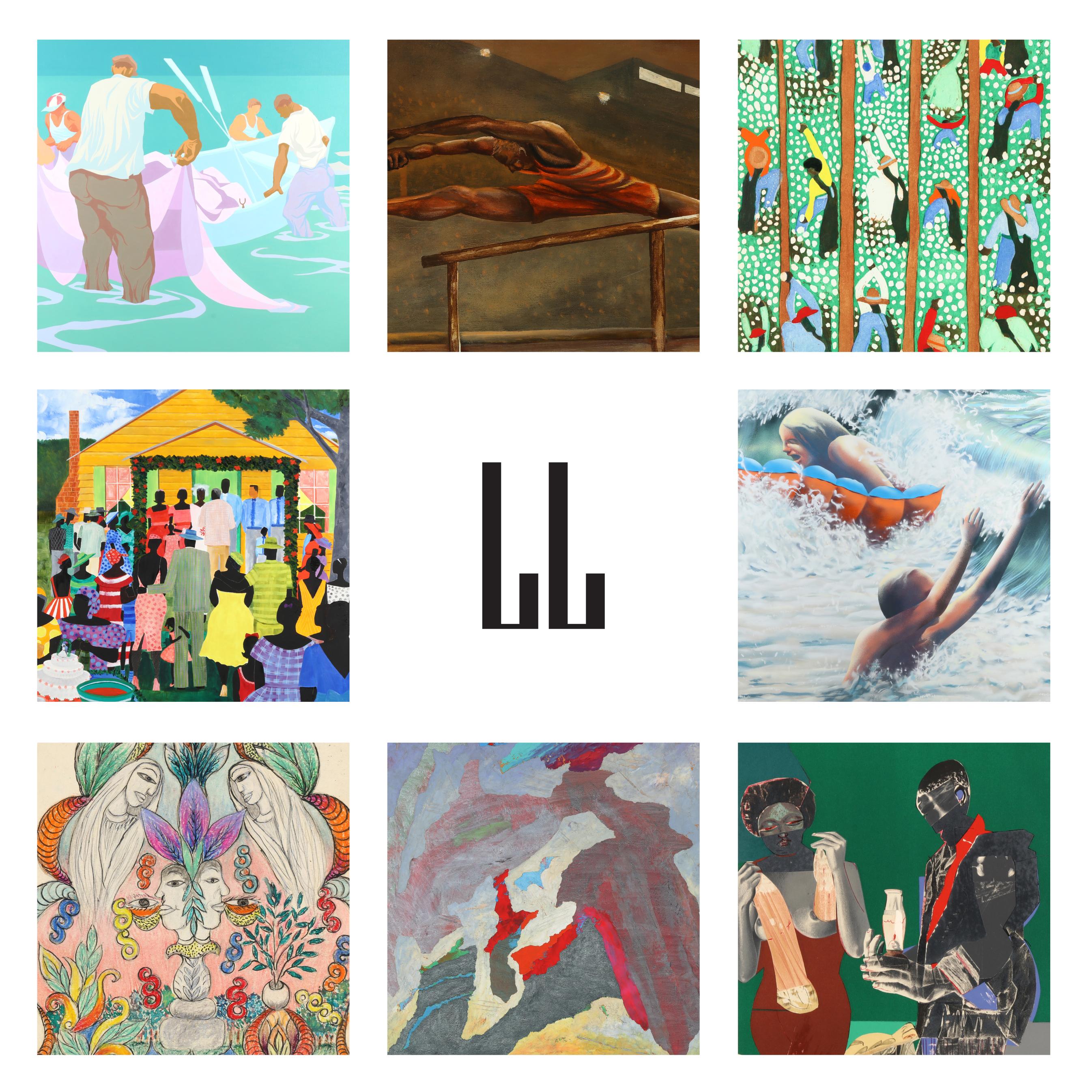
Blue Chip and Beyond: Eight Southeastern Artists Every Collector Should Know
Collectors often encounter the terms blue chip and red chip when exploring the art market. So, what is the difference between blue-chip and red-chip art? Blue-chip artists have established reputations supported by long-term market strength, while red-chip artists are building recognition through growing collector demand and expanding institutional support. The Southeastern United States has produced many influential American artists across this spectrum, from celebrated historical figures to important contemporary voices. Here are eight Southeastern artists every collector should know.
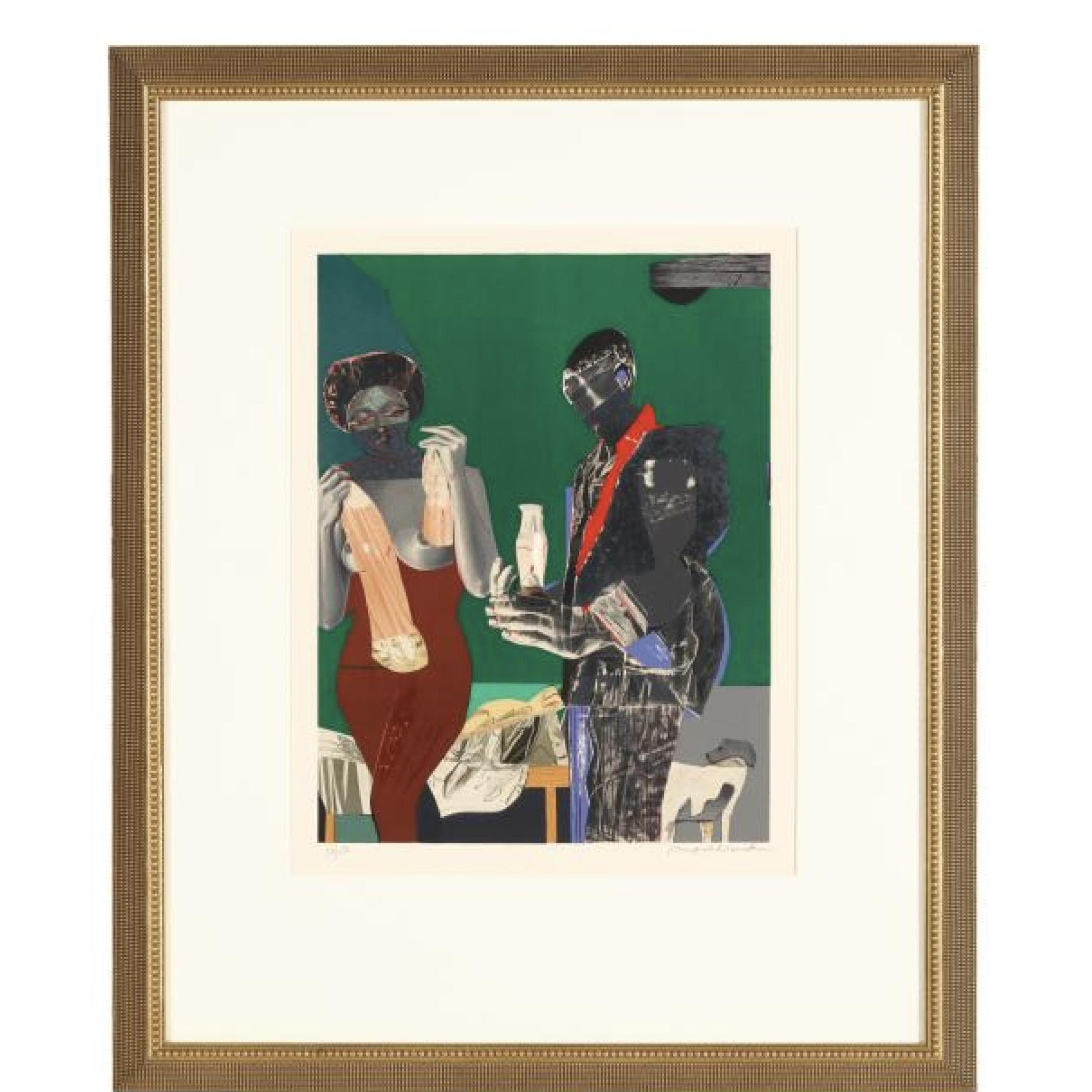
Romare Bearden (1911-1988) was one of the most influential American artists of the twentieth century, celebrated for his innovative collages exploring African American life, history, and culture. Born in Charlotte, North Carolina, he drew inspiration from his Southern roots, jazz, and literature to create richly layered compositions that transformed collage into a powerful form of visual storytelling. Before the First Whistle exemplifies his distinctive use of color, texture, and narrative. Bearden's work is represented in leading museum collections including The Museum of Modern Art, the Metropolitan Museum of Art, the Smithsonian American Art Museum, and the National Gallery of Art.
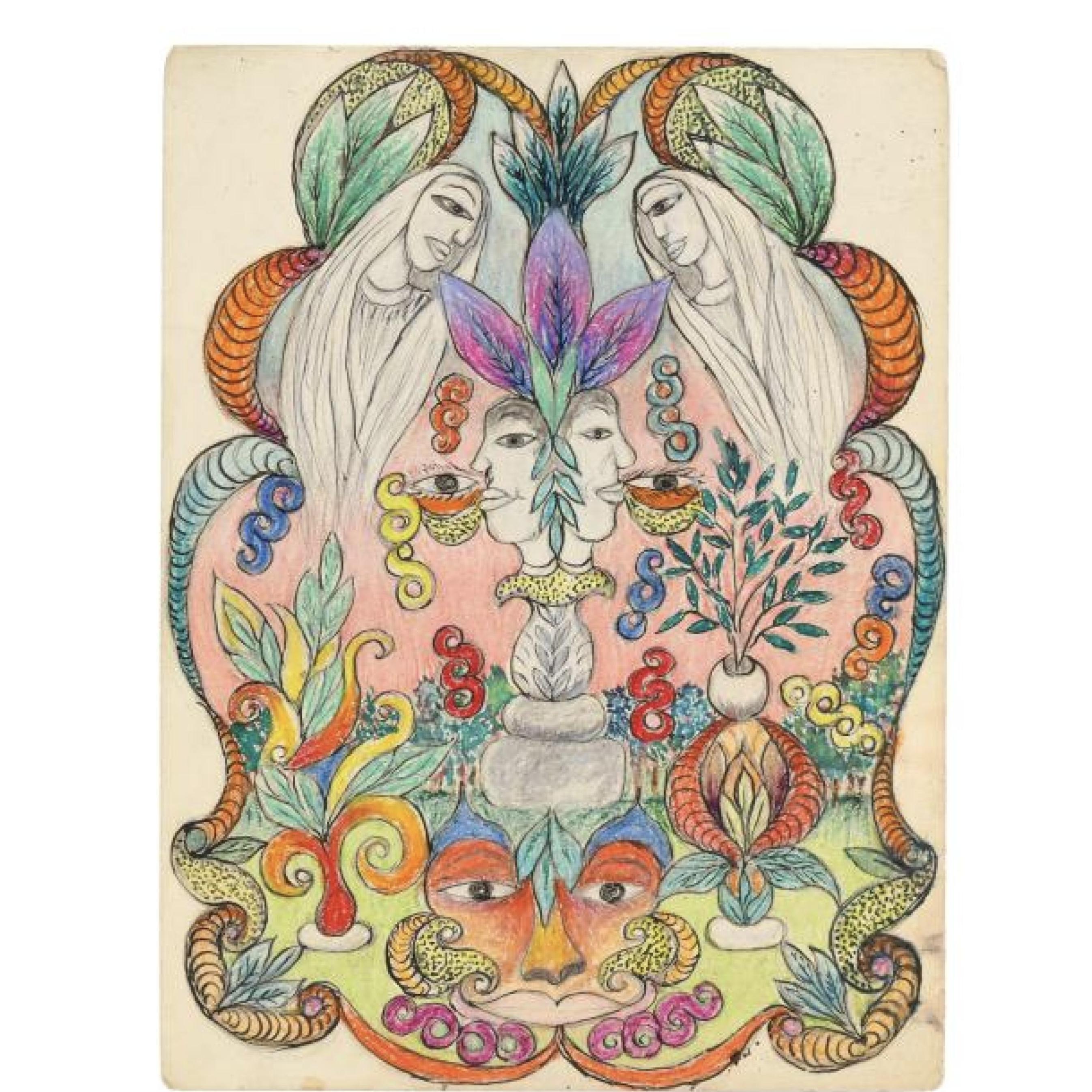
Minnie Evans (1892–1987) was a visionary American artist from Long Creek, North Carolina, whose imaginative drawings and paintings transformed dreams, spirituality, and nature into richly symbolic compositions. Her vibrant imagery, filled with botanicals, birds, and human figures, established a distinctive visual language that helped redefine visionary art in America. This work reflects Evans' remarkable ability to blend nature and symbolism into a cohesive and hypnotic composition. Her work is highlighted in the Smithsonian American Art Museum, the Whitney Museum of American Art, the Museum of Modern Art, and the North Carolina Museum of Art.
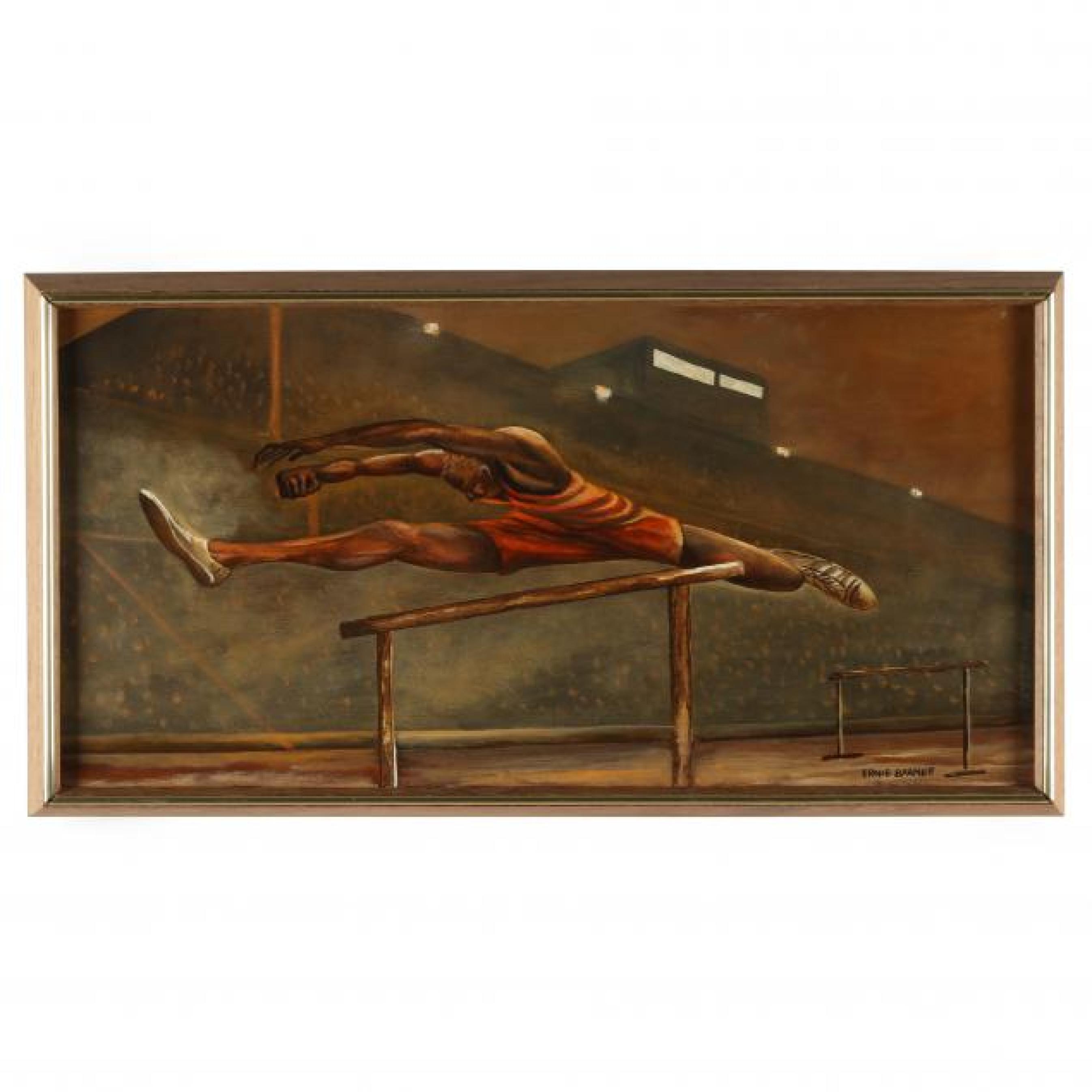
Ernie Barnes (1938–2009) was an American artist from Durham, North Carolina, celebrated for expressive figurative paintings that captured the movement, emotion, and vitality of everyday life. Inspired by his experiences in sports, music, faith, and community, Barnes developed a distinctive style characterized by elongated figures and rhythmic compositions. Last Hurdle captures the energy and movement that became hallmarks of Barnes’ distinctive visual language. His enduring significance is reflected in his representation at major institutions, including the North Carolina Museum of Art, the California African American Museum, and the Smithsonian National Museum of African American History and Culture.

Herb Jackson (b. 1945) is an acclaimed abstract painter from Raleigh, North Carolina, whose innovative use of color, texture, and unconventional materials has made him one of the Southeast's most respected contemporary artists. His richly layered compositions blur the line between painting and sculpture, inviting viewers to discover new details with each viewing. Veronica's Veil CLXIV showcases Jackson's distinctive approach to abstraction through its complex interplay of color, texture, and layered surfaces. His work is held by prominent institutions, including the North Carolina Museum of Art, the Mint Museum, the Greenville County Museum of Art, and the Asheville Art Museum.
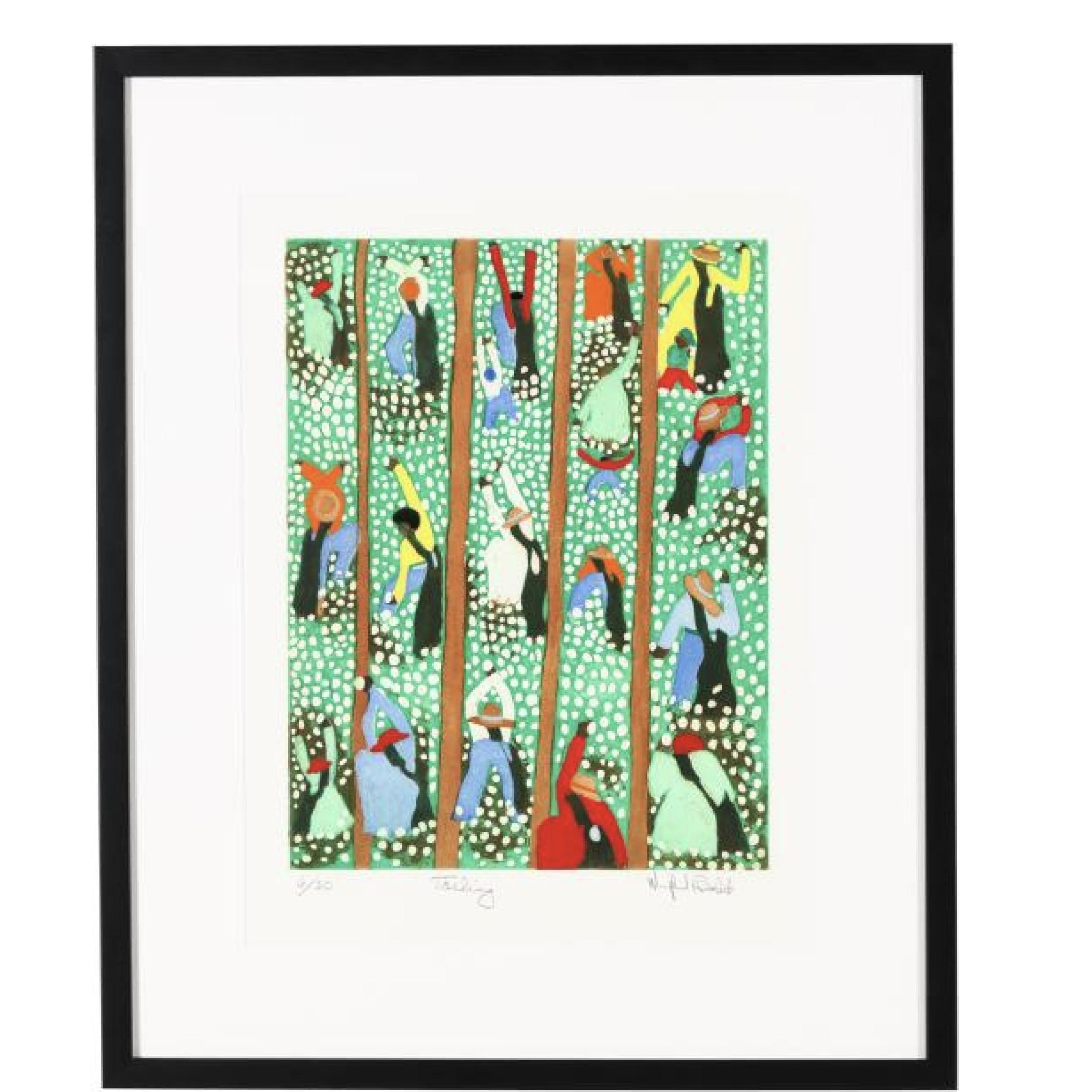
Winfred Rembert (1945–2021) was a prominent American artist who grew up in Cuthbert, Georgia, and became best known for his painted and tooled leather works depicting the people, places, and traditions of the rural South. Drawing from personal memories, he developed a distinctive style defined by bold color, intricate craftsmanship, and powerful storytelling. Toiling reflects the themes that remained central to his work across multiple mediums, with his work featured at major institutions including the Smithsonian American Art Museum, the Metropolitan Museum of Art, the High Museum of Art, and the Museum of Fine Arts, Boston.
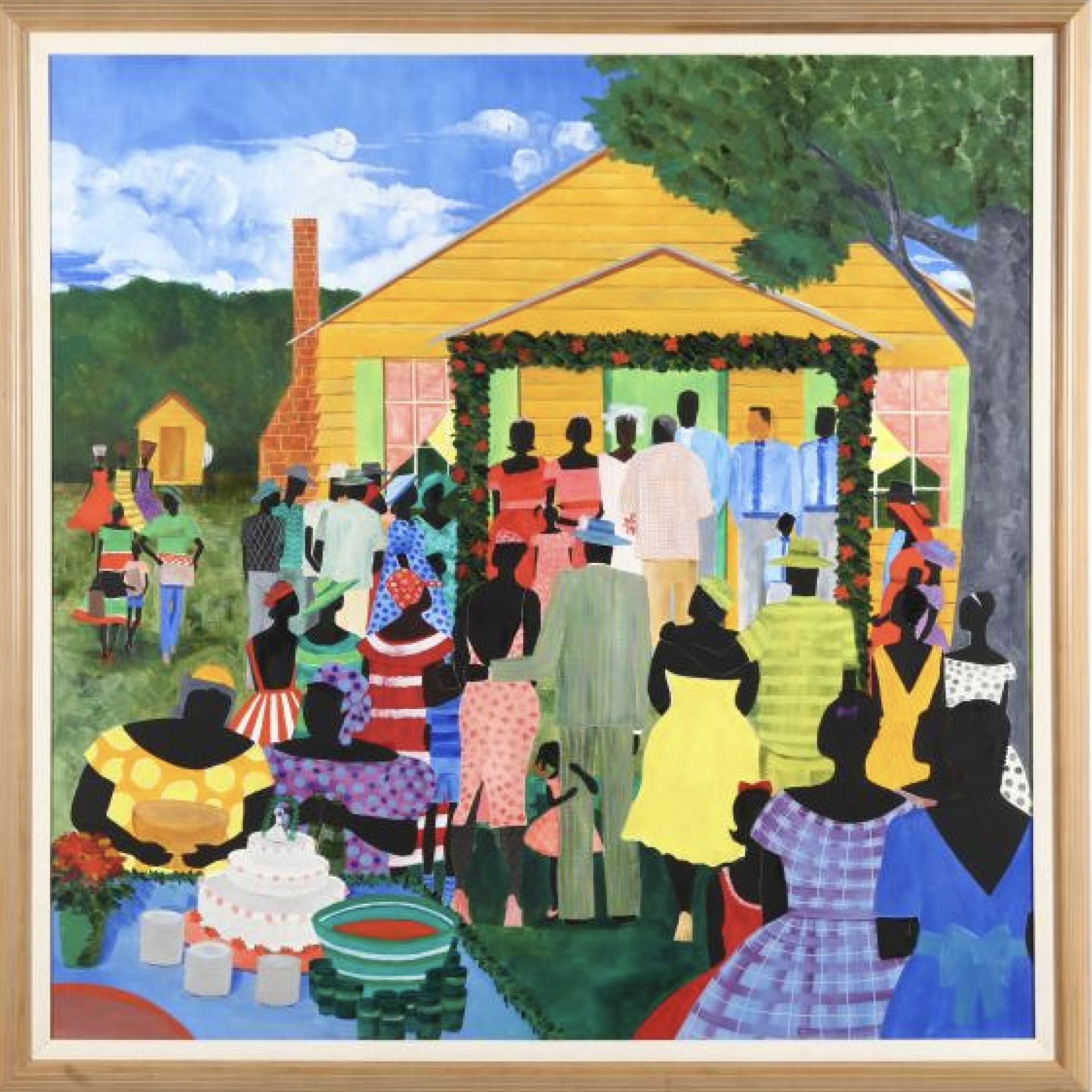
Jonathan Green (b. 1955) is an esteemed American artist whose vibrant paintings celebrate the history, traditions, and everyday life of the Gullah people of the South Carolina Lowcountry. Raised on St. Helena Island, Green draws on his cultural heritage to create colorful, narrative-driven works that honor family, faith, work, and community. The Wedding exemplifies his vivid storytelling and luminous palette. Green's paintings are recognized in museum and private collections across the United States, including the Gibbes Museum of Art, the Greenville County Museum of Art, the Morris Museum of Art, and the Naples Museum of Art.
Maude Gatewood (1934–2004) was a celebrated American artist whose richly patterned paintings recognize the landscapes, people, and traditions of rural North Carolina. Raised in Yanceyville, Gatewood drew inspiration from Southern folk culture, domestic life, and the natural world, creating vibrant compositions that blend realism with decorative abstraction. Breakers (Red Ball) captures Gatewood’s distinctive handling of color, unique technique, and dynamic movement. Her work has a strong institutional presence, including at the North Carolina Museum of Art, the Mint Museum, the Weatherspoon Art Museum, and the Ackland Art Museum.

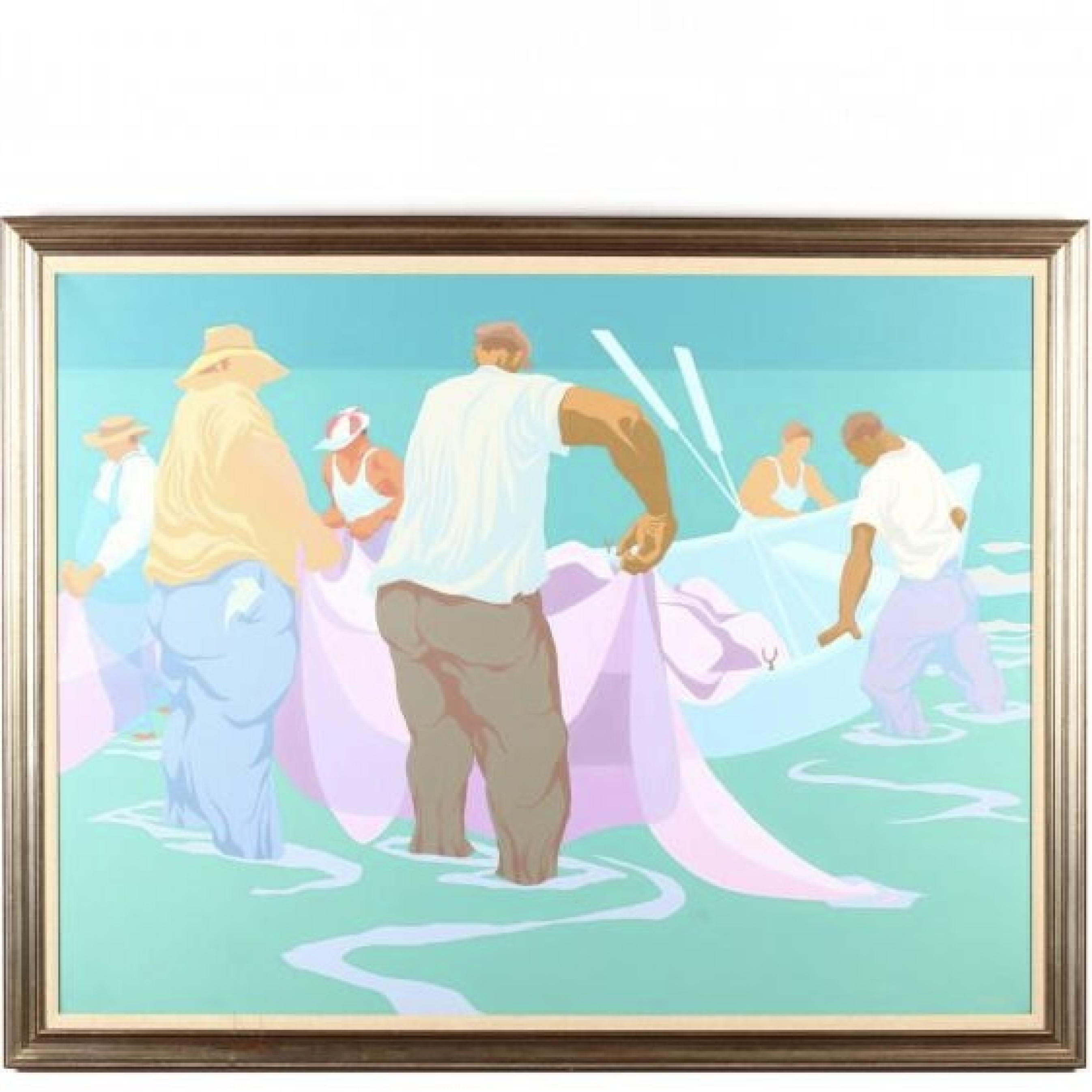
Claude Howell (1915–1997) was an American artist whose paintings capture the distinctive landscapes, coastal communities, and maritime heritage of eastern North Carolina. A native of Wilmington, Howell drew inspiration from the state's beaches, waterways, and working waterfronts, creating expressive compositions that reflect his deep connection to the region. Loading the Nets showcases his confident brushwork, harmonious color palette, and enduring fascination with the natural beauty of the Carolina coast. Howell's work is held by notable museums, including the North Carolina Museum of Art, the Cameron Art Museum, the Greenville Museum of Art, and the Mint Museum.
The Southeastern United States has long been a driving force in American art, producing generations of artists whose work continues to shape museum collections, private collections, and the broader art market. Rooted in the region yet resonant far beyond it, these artists form an important bridge between the artistic traditions of the Southeast and the broader national and international art world. From established blue-chip artists to rising red-chip talent, Southeastern artists have earned recognition for their technical excellence, compelling storytelling, and lasting cultural impact. Whether you're building a collection, researching Southern art, or exploring contemporary American art, these eight artists provide an excellent starting point—and represent just a small sample of the remarkable creative legacy found throughout the Southeast.