
How to Properly Store Wine
Fine wine is designed to evolve over time, but proper storage is essential if you want it to reach its full potential. Fortunately, a few simple habits can make all the difference.
What To Do
Temperature
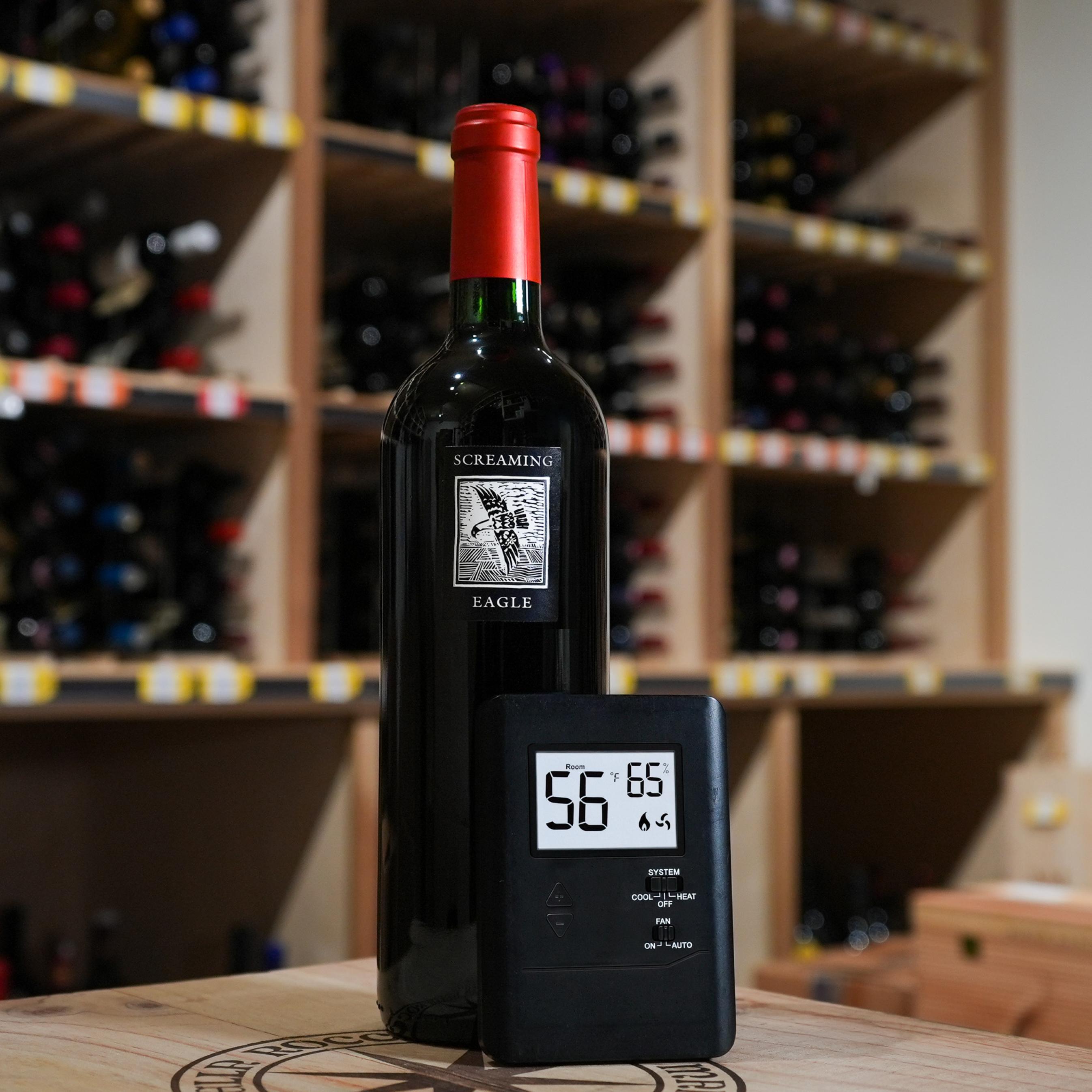
Fine wine should be kept in a cool, stable environment, ideally between 50°F and 59°F (be especially wary of prolonged temperatures over 75°F). Frequent temperature fluctuations can cause the wine to age too quickly or affect its quality over time.
Humidity
A moderate humidity level helps keep corks from drying out, which can allow air to enter the bottle and spoil the wine. Around 60–70% humidity is generally considered ideal.
Position
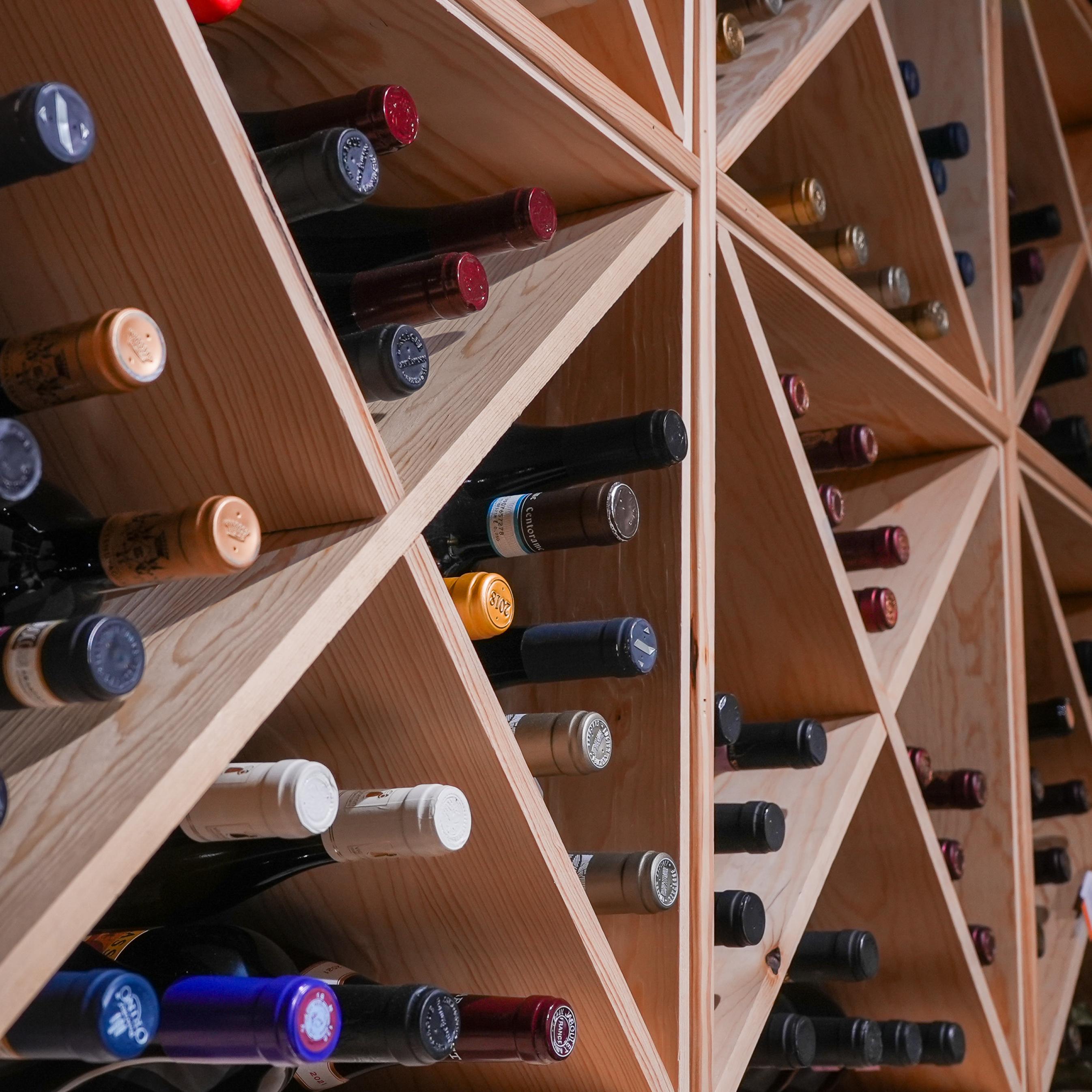
If the wine is sealed with a natural cork, storing bottles on their side helps keep the cork moist and properly sealed. Bottles with synthetic corks or caps do not require this, but horizontal storage can still be an efficient use of space.
If the wine is sealed with a natural cork, storing bottles on their side helps keep the cork moist and properly sealed. Bottles with synthetic corks or caps do not require this, but horizontal storage can still be an efficient use of space.
What To Avoid
Direct Sunlight
Do not expose bottles to direct sunlight or bright lighting for extended periods. Excessive light can degrade the wine and alter its character. If your storage options are limited, you can apply a UV-blocking window film to shield your wine.
Storing Next to Machines
Avoid storing wine in places where temperatures fluctuate frequently, such as kitchens, garages, or near radiators and heating vents. Heat can accelerate aging and permanently damage the wine.
Constant Movements and Vibrations
Don't treat fine wine like an everyday household item. Constant moving, shaking, or repeatedly changing storage locations can interfere with the wine's natural development.
Spotting Badly Stored Wine
Degraded Seal
Indicators of spoiled wine include a corroded capsule and a sunken or raised cork. Mold growing on the outside of a bottle is generally not a cause for concern, because the ideal conditions for storing wine (a dark, humid environment) are also optimal for growing mold. However, if mold is found on the bottom of the cork, the wine is compromised.
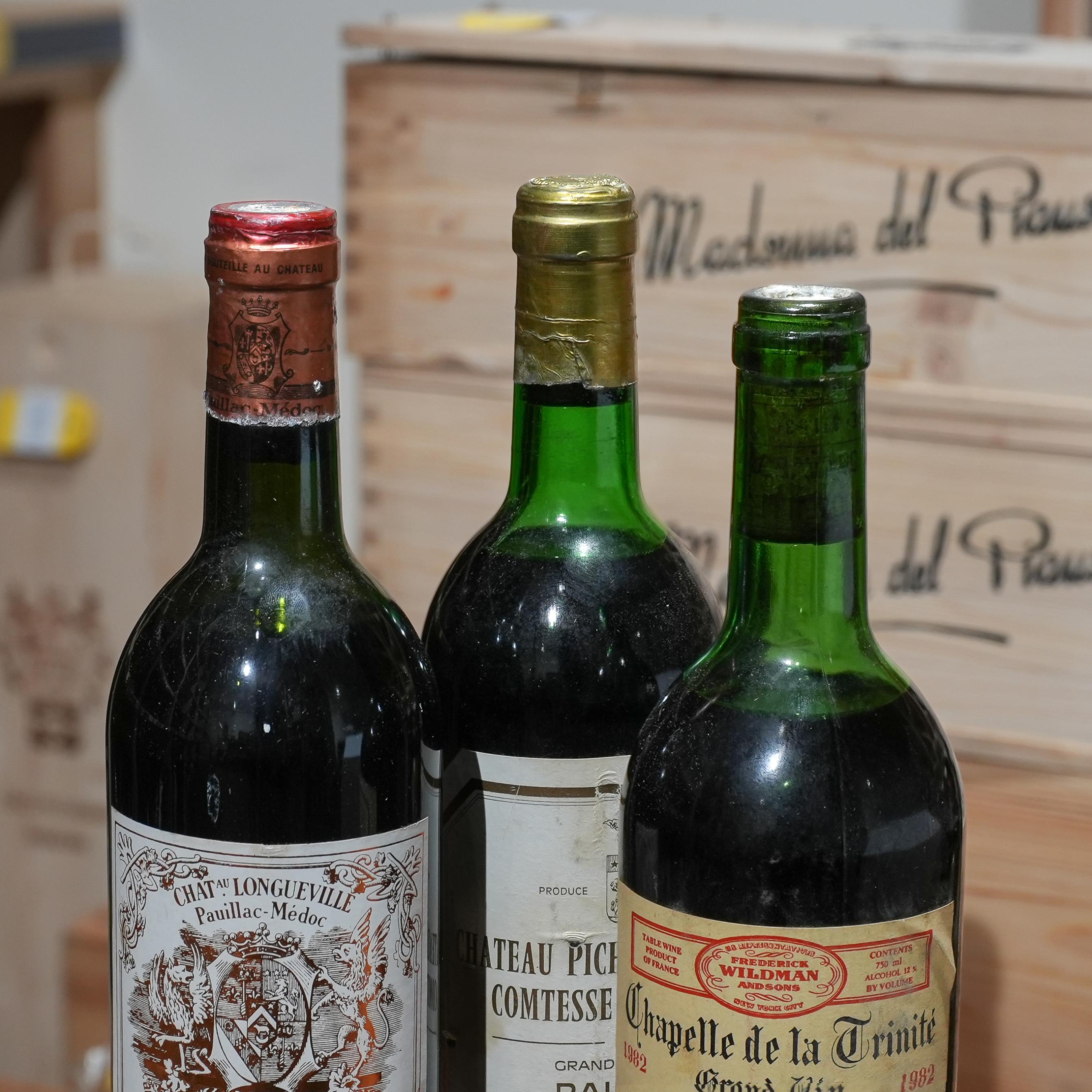
Low Fill Level
In general, unless a bottle is 50+ years old, fill levels anywhere below the neck are a red flag. A low fill level does not always mean that a wine is flawed, but in combination with other factors, it can be a very good clue.
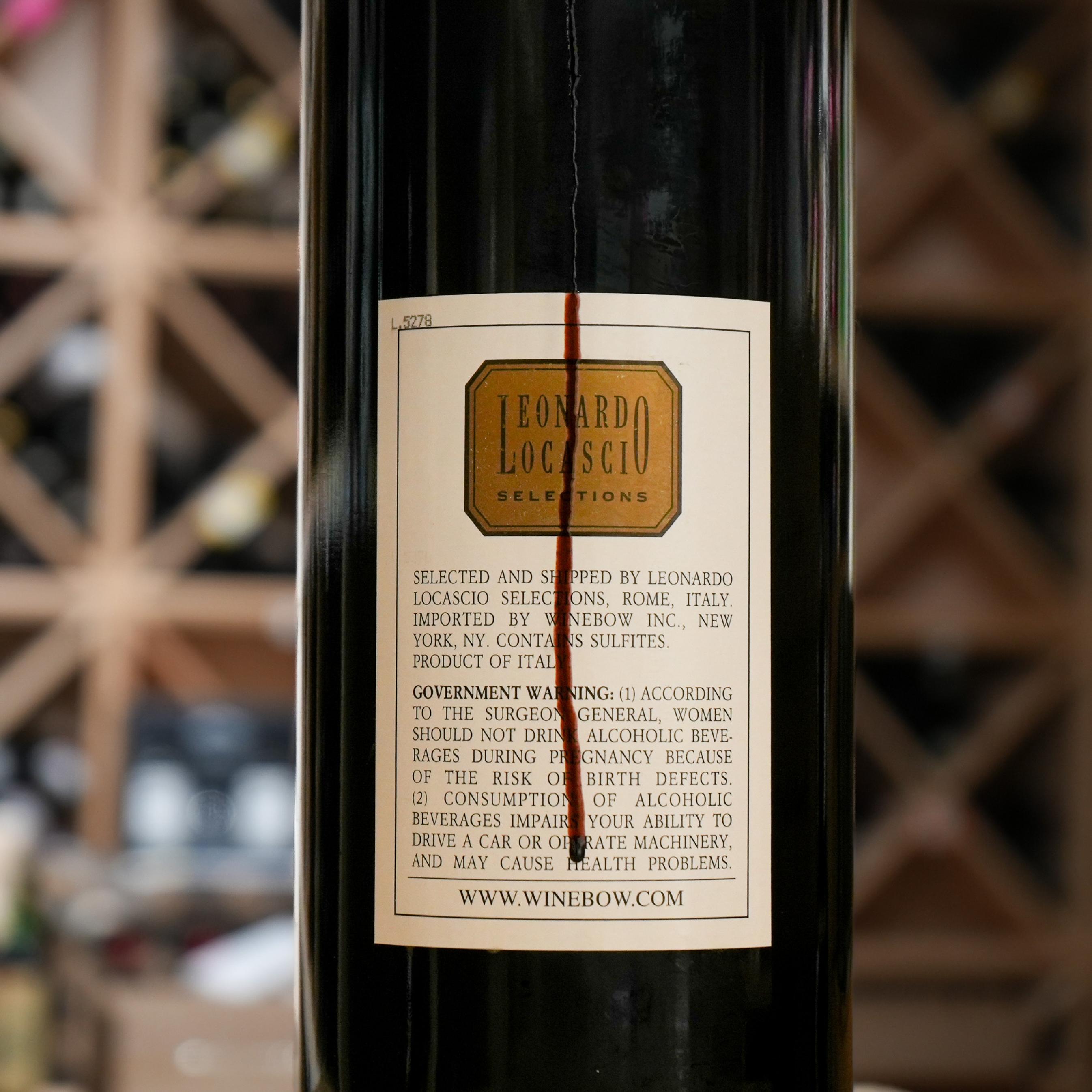
Seepage
If a bottle is obviously seeping or shows signs of past seepage, evidenced by staining to the label or drip patterns on the bottle, it is a good indication that the wine has experienced large temperature fluctuations that have impacted the integrity of the cork/seal.
If a bottle is obviously seeping or shows signs of past seepage, evidenced by staining to the label or drip patterns on the bottle, it is a good indication that the wine has experienced large temperature fluctuations that have impacted the integrity of the cork/seal.

CONTACT THE DIRECTOR
Mark Solomon
Fine Wine & Rare Spirits Director
mark@lelandlittle.com
Fine Wine & Rare Spirits Director
mark@lelandlittle.com