
Medicinal Whiskey & Prohibition
"Between 1920-1933, obtaining whiskey legally in the United States meant visiting the doctor and receiving a prescription for a pint of whiskey." - Julia Kelley-Swift, Fine Wine & Rare Spirits Specialist
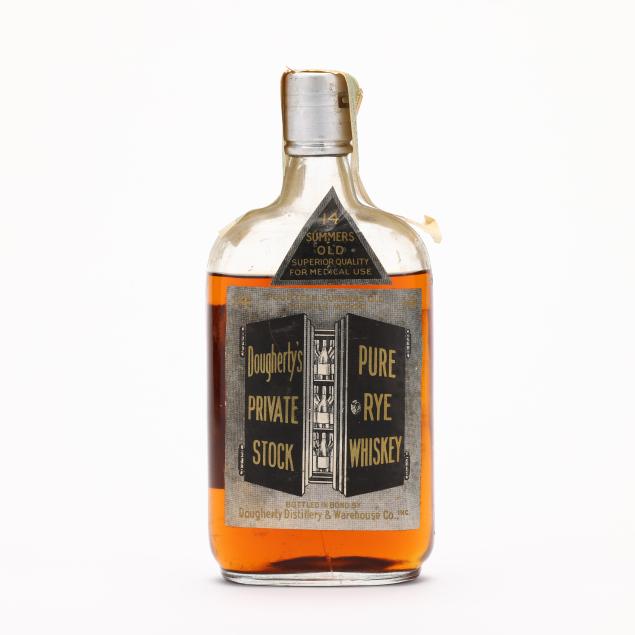
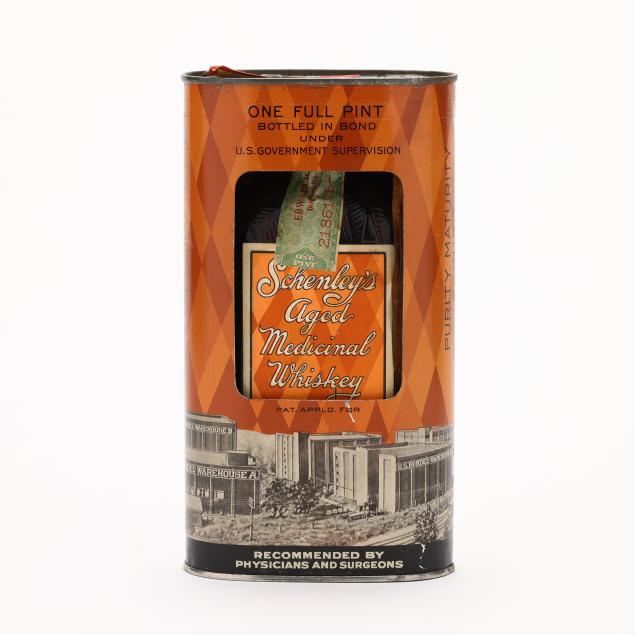
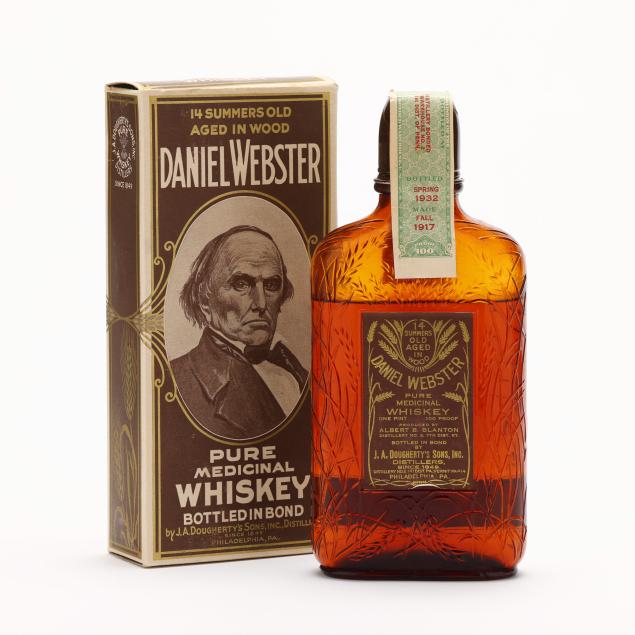
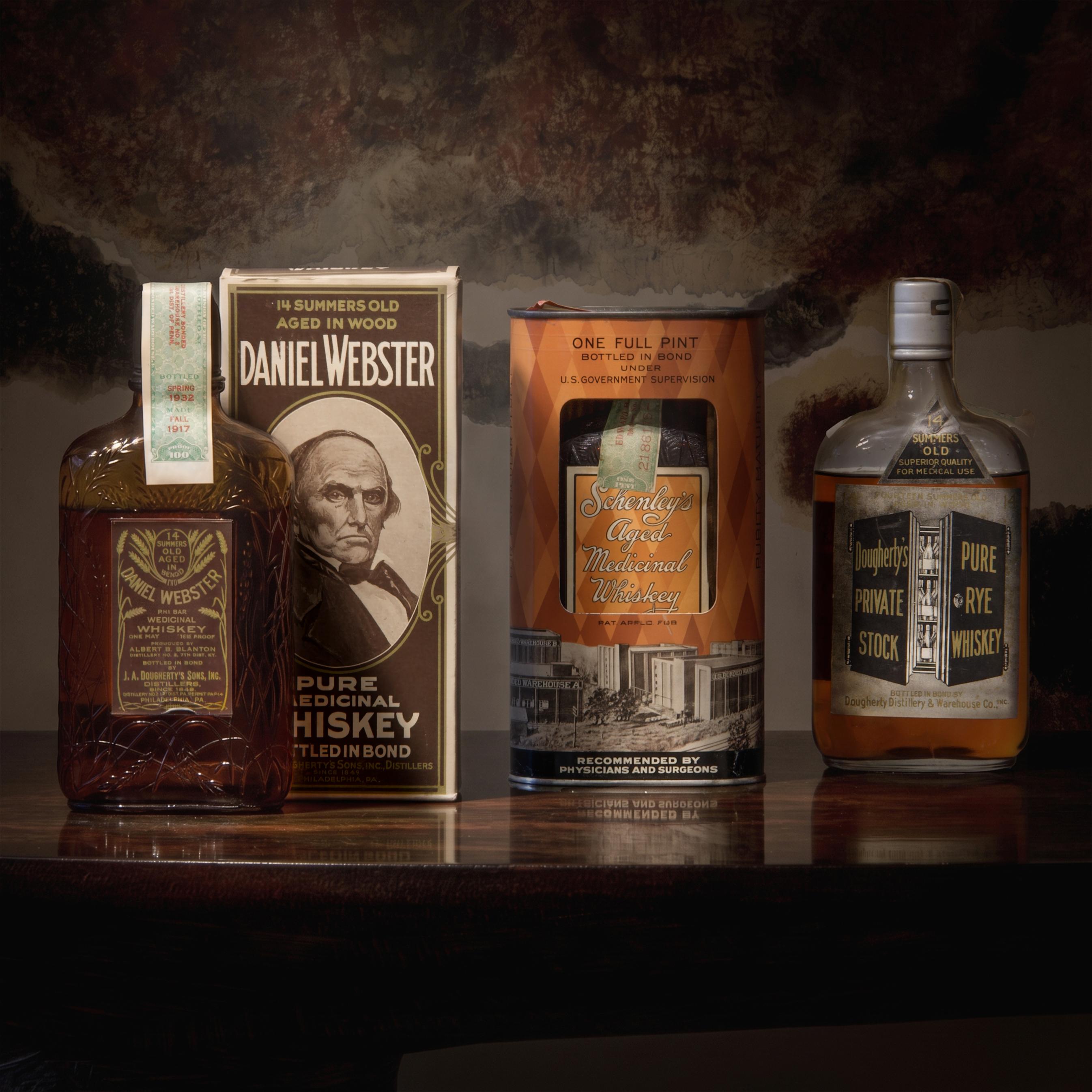
The story of ‘Medicinal Whiskeys’ like those seen here in our September 4th Rare Spirits Auction goes back to the turn of the 20th century, when many people still believed that hard alcohol had curative properties. With the ratification of the 18th Amendment in 1919, which brought about Prohibition, certain loopholes were left to allow the sale of whiskey ‘for medicinal purposes only.’ Between 1920-1933, obtaining whiskey legally in the United States meant visiting the doctor and receiving a prescription for a pint of whiskey.
Because of the Wartime Prohibition Act passed in 1918, the production of new whiskey essentially came to a complete halt in 1917, meaning that a disproportionate number of the bottles left over from this era are noted as being distilled in 1917. Though there were only six or seven distillers who were still legally allowed to produce whiskey during Prohibition, many smaller distilleries managed to find ways to sell their own leftover stocks distilled prior to 1918. Oftentimes, these companies would contract with one of the big six to bottle and sell using the original brand and label.
Though the traditional aging period for most whiskey is between 4-6 years, during and just after Prohibition the average age of a bottle of whiskey was often double that due to the difficulty of bringing pre-existing distillate to the market in the 1920s. As the repeal of the 18th Amendment approached in the winter of 1933, the floodgates began to open, leading to a large supply of spirits released with a 14 year age statement, distilled in 1917 and bottled in 1932 or 1933.
Because of the Wartime Prohibition Act passed in 1918, the production of new whiskey essentially came to a complete halt in 1917, meaning that a disproportionate number of the bottles left over from this era are noted as being distilled in 1917. Though there were only six or seven distillers who were still legally allowed to produce whiskey during Prohibition, many smaller distilleries managed to find ways to sell their own leftover stocks distilled prior to 1918. Oftentimes, these companies would contract with one of the big six to bottle and sell using the original brand and label.
Though the traditional aging period for most whiskey is between 4-6 years, during and just after Prohibition the average age of a bottle of whiskey was often double that due to the difficulty of bringing pre-existing distillate to the market in the 1920s. As the repeal of the 18th Amendment approached in the winter of 1933, the floodgates began to open, leading to a large supply of spirits released with a 14 year age statement, distilled in 1917 and bottled in 1932 or 1933.
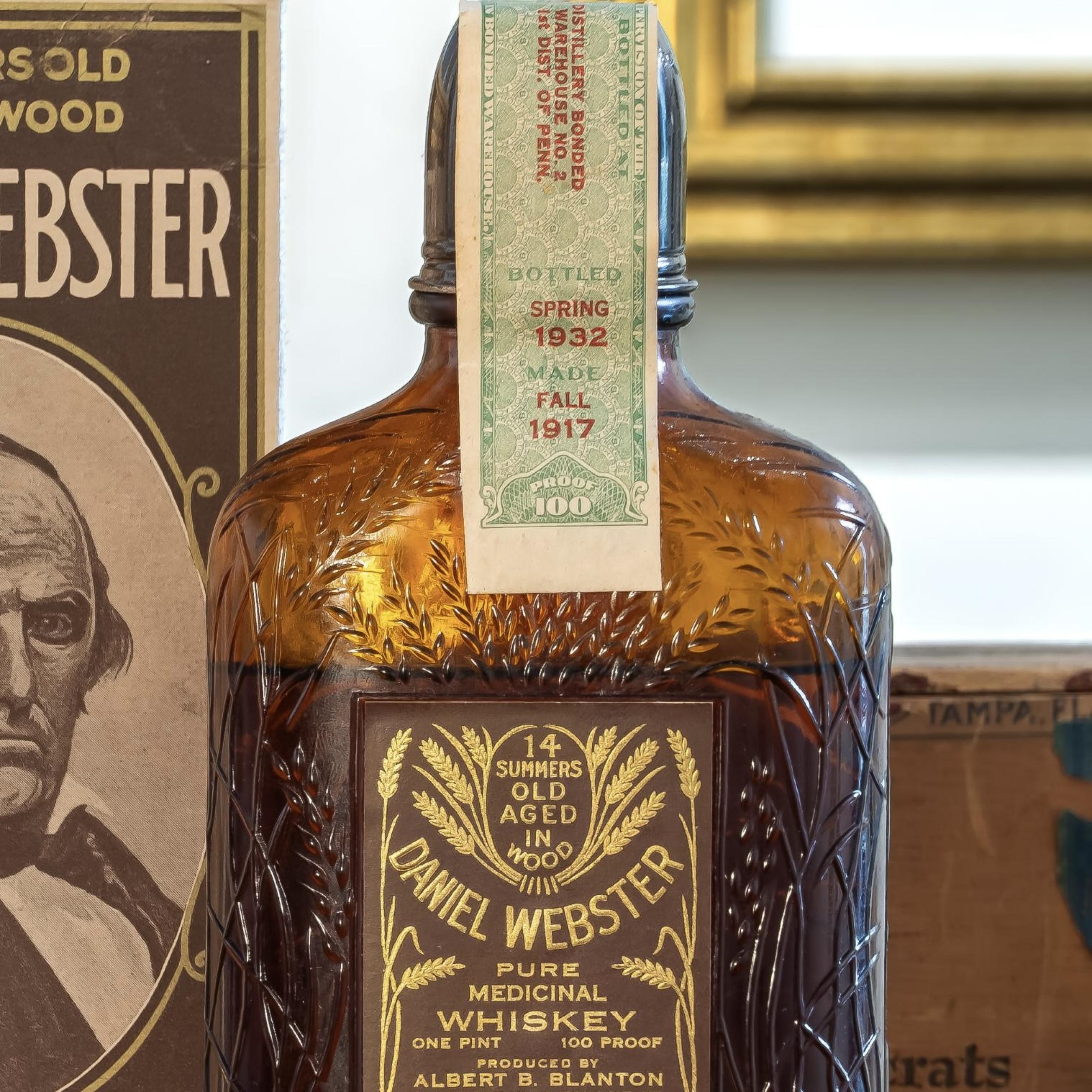
So how is it that any of these hundred-year old bottles still exist? The story goes that when these whiskeys were released in the 1930s with their high age statements, consumers were put off by the overly oaked flavor profiles, which often included higher than normal tannins and woody notes. Thus, many such bottles were set aside in cabinets and forgotten while consumers turned to more palatable, younger spirits that were produced after Prohibition.
Whatever the lucky turn of events that kept these bottles safe for almost a full century, we are thrilled to be able to offer them in our upcoming Rare Spirits Auction, which opens for live-online bidding on Friday, September 4th at 10:00 a.m. Browse through our full catalog today and bid on some of these extremely scarce and highly-coveted time capsules from American distilling history.
Whatever the lucky turn of events that kept these bottles safe for almost a full century, we are thrilled to be able to offer them in our upcoming Rare Spirits Auction, which opens for live-online bidding on Friday, September 4th at 10:00 a.m. Browse through our full catalog today and bid on some of these extremely scarce and highly-coveted time capsules from American distilling history.
Rare Spirits Auction
September 4, 2026 at 10:00 am ET
September 4, 2026 at 10:00 am ET