

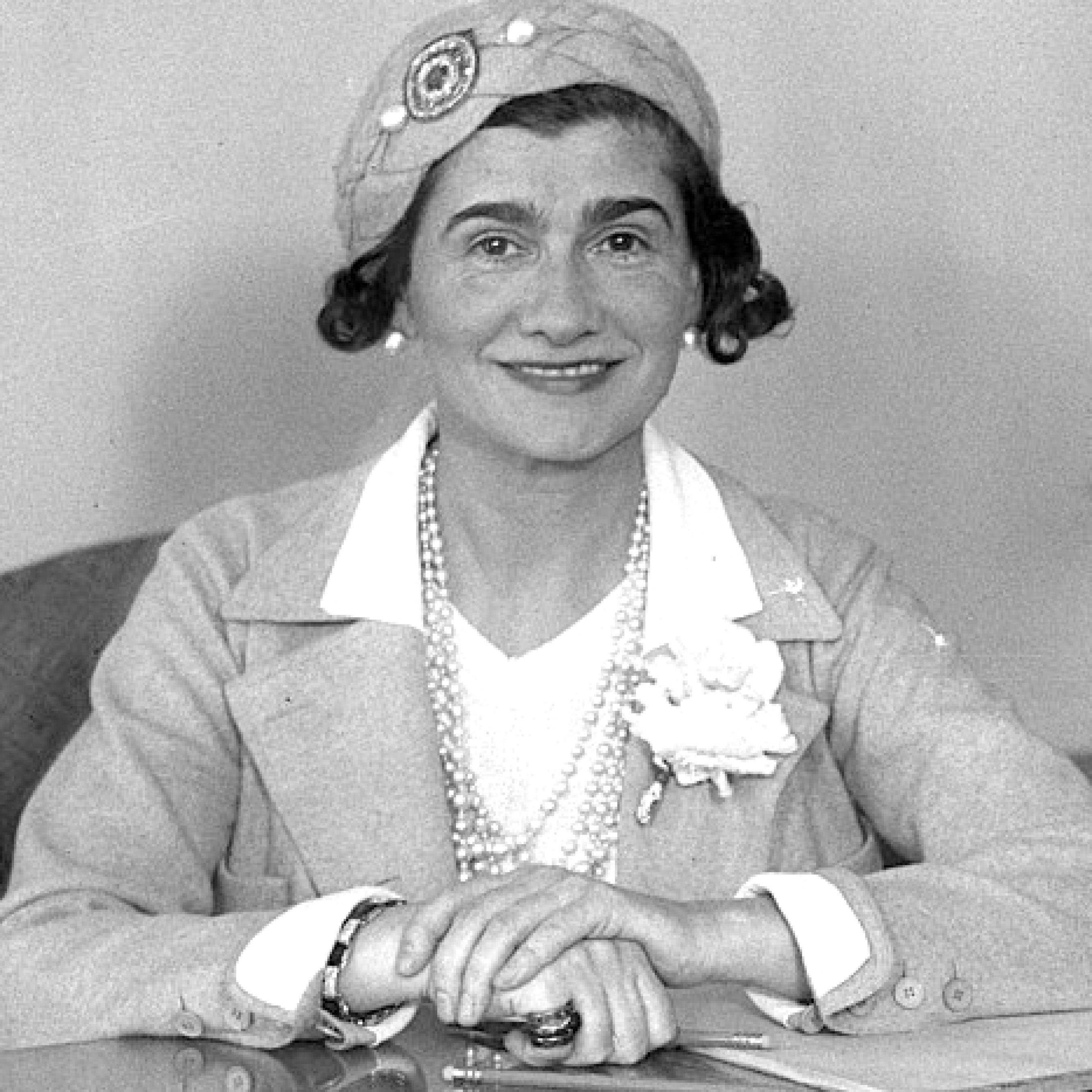
Coco Chanel sitting at a desk during a visit to Los Angeles. Credit: University of California, Los Angeles; Library, Department of Special Collections.
Pillars of Style: Chanel
"Fashion changes, but style endures." - Coco Chanel, Fashion Designer
Arguably one of the most iconic and influential figures in fashion history is Gabrielle “Coco” Chanel. Establishing her house in 1910, she transformed women’s fashion, breaking from the ornate excess of the Belle Époque to embrace simplicity, comfort, and understated elegance. Her vision redefined modern femininity and set a new standard that continues to resonate more than a century later.
So, who was Coco Chanel? Though her name is now synonymous with luxury, her beginnings were strikingly humble. Born into poverty, she lost her mother at a young age, and circumstances soon separated her family. While her brothers were sent to work as farm laborers, she and her sisters were placed in a convent orphanage in Aubazine, France, under the care of Cistercian nuns. There, she spent her formative years learning the art of sewing, a discipline that quietly laid the foundation for her extraordinary career. As a young woman, she supported herself as a seamstress by day and sang in cabarets by night, adopting the nickname “Coco,” a name that would come to define timeless elegance and style.
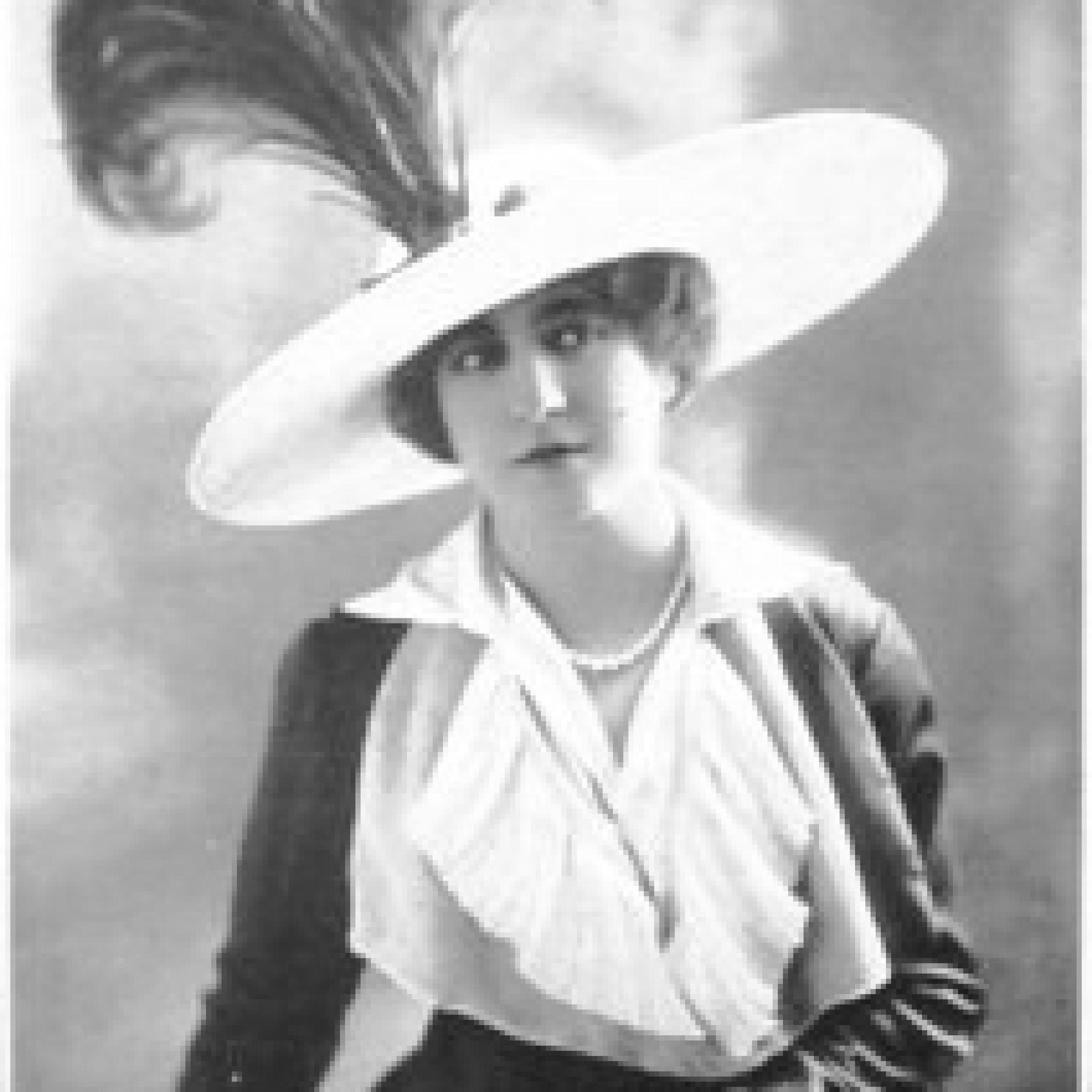
Mlle Gabrielle Dorziat wearing one of Chanel's first hats. Photograph by Talbot. May 1912.
In 1910, she opened her first boutique, Chanel Modes, a Parisian millinery whose clean, modern hat designs stood in bold contrast to the era’s lavish fashions. Her refined simplicity quickly captured the attention of Parisian society, inspiring a broader reimagining of women’s wardrobes. Blending masculine structure with feminine ease, she introduced relaxed silhouettes, tailored jackets, and refined costume jewelry. The little black dress came to define understated sophistication, while the perfume Chanel No. 5, introduced in 1921, completed her vision of the modern woman as confident, elegant, and impeccably composed.
The outbreak of World War II forced the closure of her fashion house in 1939, bringing an abrupt pause to one of the most influential careers in couture. Yet the retreat proved temporary. Fifteen years later, she made a triumphant return to Paris with a renewed sense of purpose and a clear vision for modern elegance. In 1954, she re-entered the couture scene, defying skeptics and redefining postwar femininity with creations that balanced comfort, utility, and refinement. Her now-legendary tweed suit, quilted handbag, and two-tone pump became enduring symbols of effortless style, each transcending trends and establishing a lasting standard of sophistication.
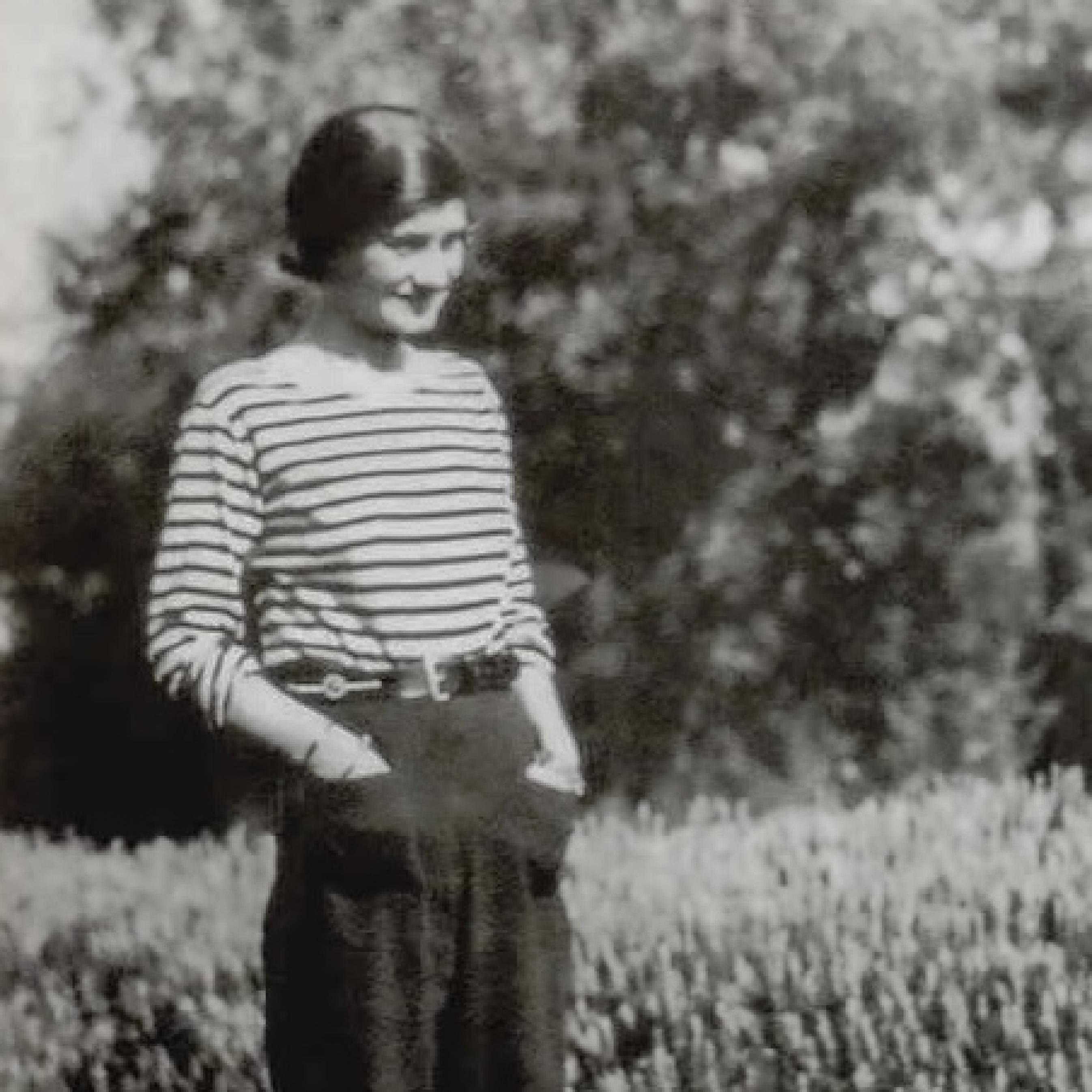
Gabrielle (Coco) Chanel poses in a sailor top in the interwar period, 1928.
Coco Chanel’s legacy endures as a testament to her singular vision, one rooted in independence, innovation, and an unwavering belief that elegance lies in simplicity. Through her life and work, she not only transformed the way women dressed, but also how they moved through the world, with confidence, ease, and unmistakable style.
Today, the House of Chanel stands as a lasting emblem of timeless refinement, expressed through enduring icons like the Classic Double Flap Bag, Cotton Fantasy Tweed Jacket, and Faux Pearl and CC Logo Station Necklace. Continuing to evolve without compromising its foundations, the brand breathes new life into its signature aesthetic with modern interpretations such as the Chevron Stitched Red Lambskin Flap Bag and the effortlessly chic Camellia Flower Flap Bag. Together, these pieces reflect a legacy that remains at the forefront of style, where elegance is forever a la mode.
Take it Beyond the Page and Experience it for Yourself:
• Chanel
• Chanel