
A Field Guide to Rare Spirits
The world of whiskey can be intimidating, with a long, complicated history and a language of its own that can make understanding how to read the label on any given bottle tricky. What makes whiskey uniquely difficult is a lack of centralized sources of information for those hoping to learn more. We are endeavoring to fill that gap and provide a resource for our buyers so that you can approach our Rare Spirits auctions with the confidence to know what’s being offered and pick out the perfect bottles to bid on.
We’ll be adding to this ‘Field Guide’ over the coming months, diving into a litany of common words and phrases found on the spirits bottles in our catalog and providing context as to why they may or may not make a difference to the quality of the product inside. If you ever have questions about any particular term or bottle, please don’t hesitate to reach out to us directly for clarification. This guide is certainly not exhaustive and we are happy to provide further information about any bottle in our catalog over the phone or by email.
_
We’ll be adding to this ‘Field Guide’ over the coming months, diving into a litany of common words and phrases found on the spirits bottles in our catalog and providing context as to why they may or may not make a difference to the quality of the product inside. If you ever have questions about any particular term or bottle, please don’t hesitate to reach out to us directly for clarification. This guide is certainly not exhaustive and we are happy to provide further information about any bottle in our catalog over the phone or by email.
_
First things first, all bourbon is whiskey, but not all whiskey is bourbon. Whiskey is made all over the world - Scotch is widely considered the oldest form of whiskey and Japanese whiskies continue to gain popularity on the American market.
When we talk about American whiskey, by far the most famous is bourbon. In order to be called ‘bourbon’ a whiskey must be distilled in the United States from at least 51% corn, aged in new charred oak containers (usually barrels), and along with some other regulations about alcohol level, it must be bottled at no lower than 80 proof (or 40%ABV). That’s a lot of words, but you’ll notice that I didn’t say it must be made in Kentucky - that’s a common myth.
When we talk about American whiskey, by far the most famous is bourbon. In order to be called ‘bourbon’ a whiskey must be distilled in the United States from at least 51% corn, aged in new charred oak containers (usually barrels), and along with some other regulations about alcohol level, it must be bottled at no lower than 80 proof (or 40%ABV). That’s a lot of words, but you’ll notice that I didn’t say it must be made in Kentucky - that’s a common myth.
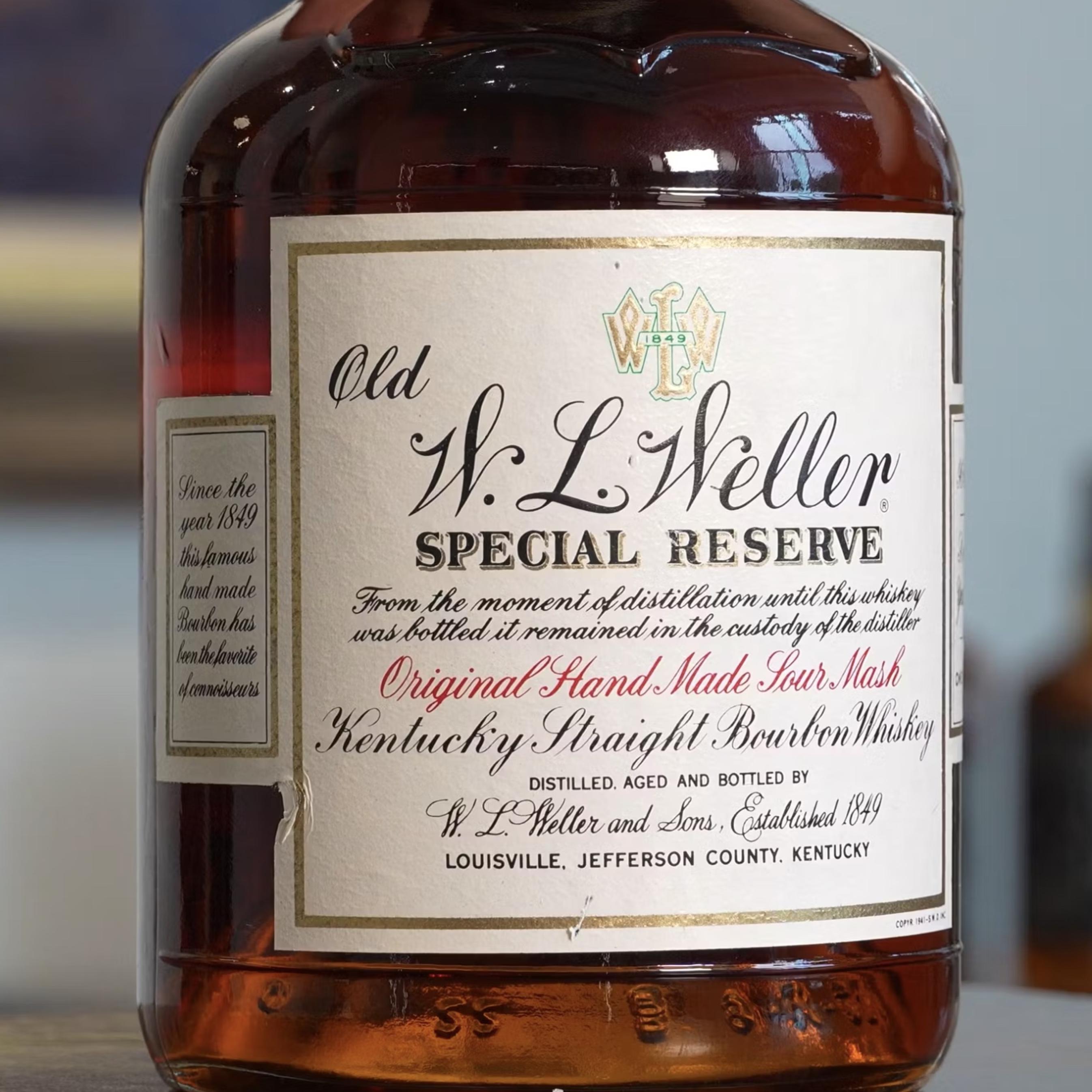
A very common term to see on a bottle of bourbon is this four-word phrase: ‘Kentucky Straight Bourbon Whiskey.’ The term ‘straight’ simply refers to a whiskey aged at least two years. Any ‘straight bourbon’ that is aged less than four years must include a specific age statement on the label. In order to be a ‘Kentucky Straight Bourbon Whiskey,’ a bourbon must be distilled in Kentucky and aged for at least two years, at least one of which had to be in the state of Kentucky.
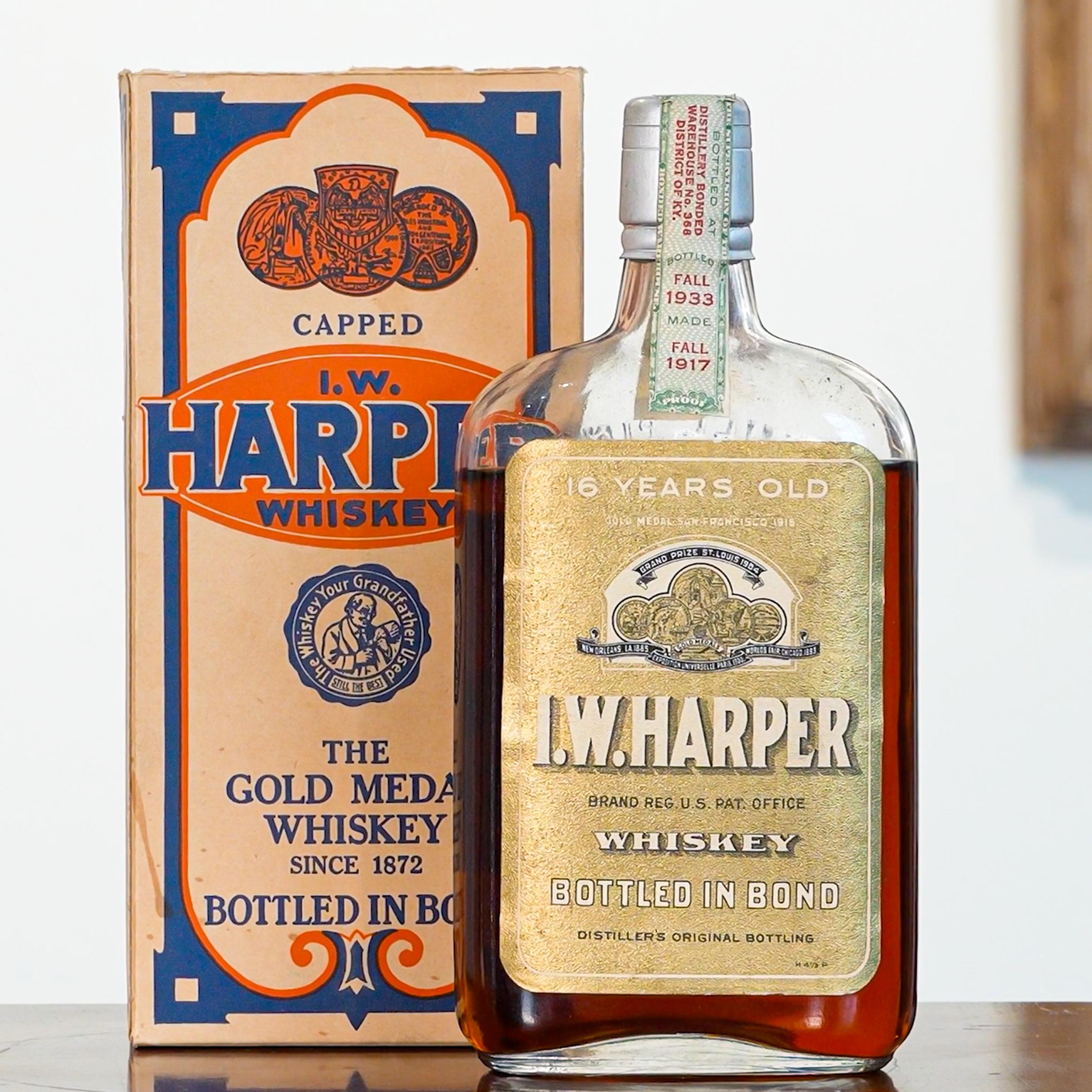
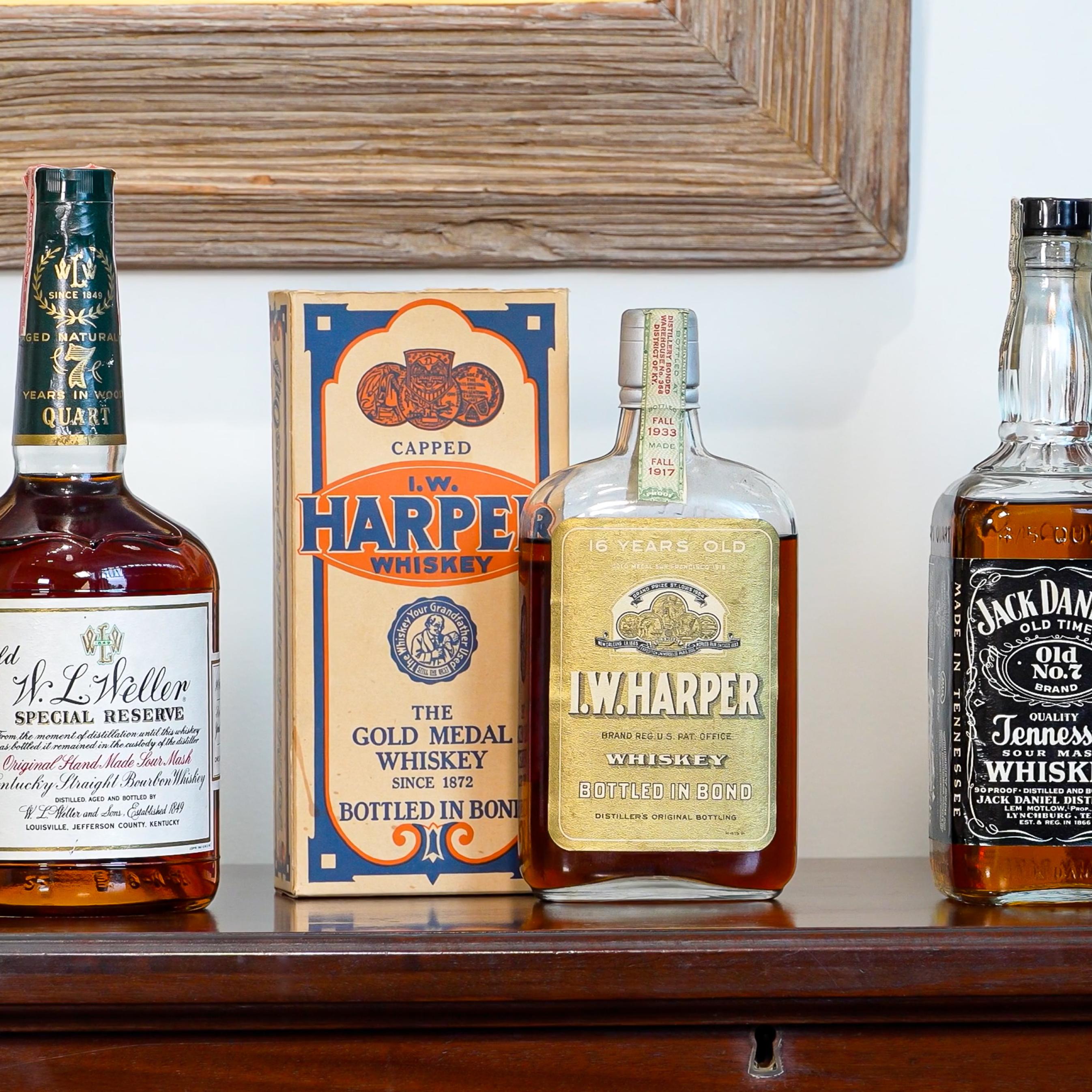
Another very common whiskey term, especially on older bottles, is ‘Bottled-in-Bond.’ The Bottled-in-Bond Act was passed by the U.S. Government in 1897 to create a regulated term that producers could put on their bottles to guarantee the quality of the product inside. In order to be ‘Bottled-In-Bond,’ a whiskey must be produced by only one distiller at one distillery and during only one distilling season (i.e. Spring or Fall). It must also be aged for at least four years under government supervision in special bonded warehouses and it must be bottled at 100 proof (50%ABV).
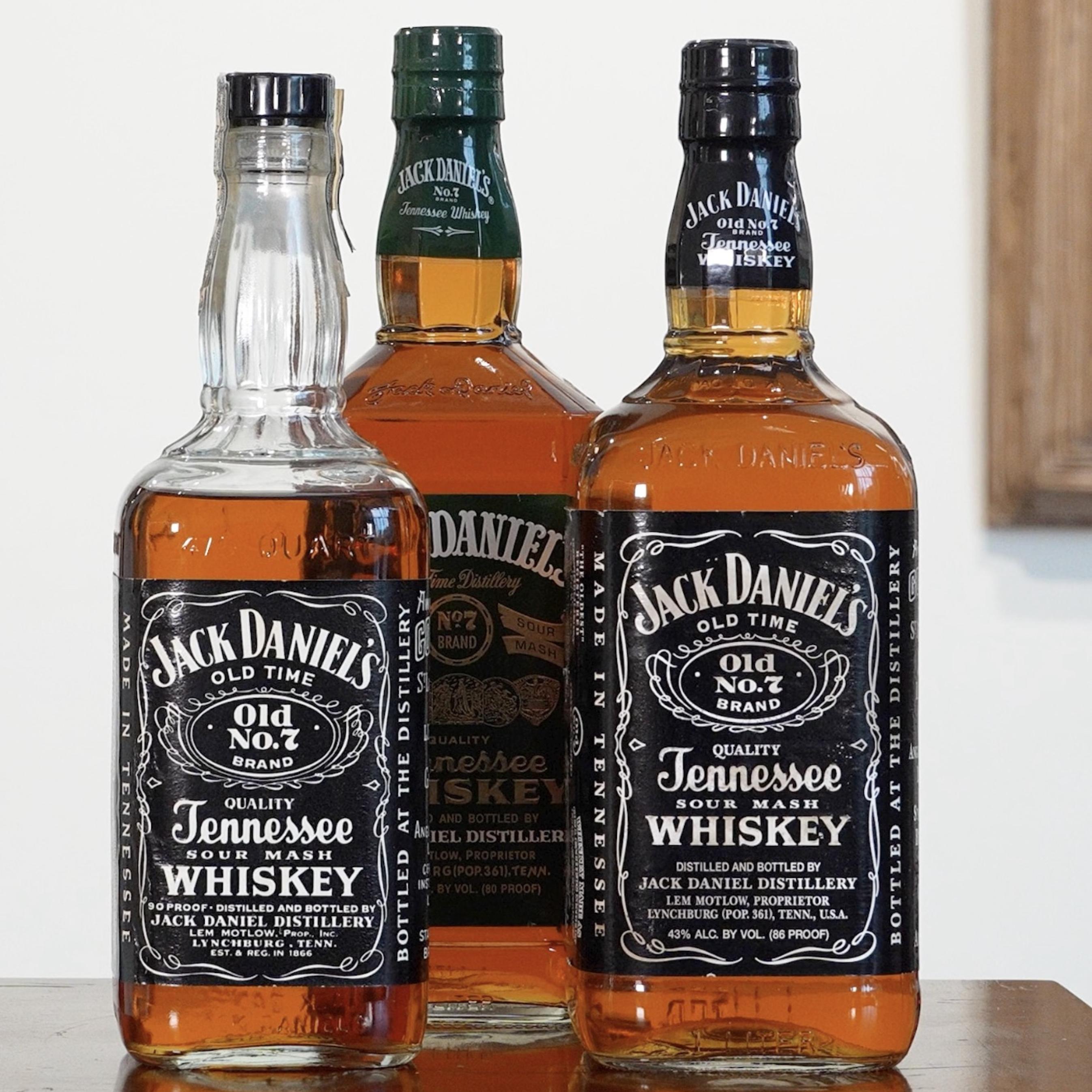
One other frequently used whiskey term has become synonymous with the brand that made it famous - Jack Daniel’s Tennessee Whiskey. So what is Tennessee Whiskey? Until 2013, the term actually wasn’t regulated, but it refers to a whiskey that has gone through an additional charcoal filtration process, also known as the Lincoln County Process. The slow drip through a ten-plus foot vat of charcoal mellows the whiskey and produces a unique finished product that has made Jack Daniel's and other Tennessee whiskeys beloved by many collectors. Interestingly, many Tennessee Whiskeys are, technically, bourbons, but producers like Jack Daniel's have chosen not to use the term in reference to their products.