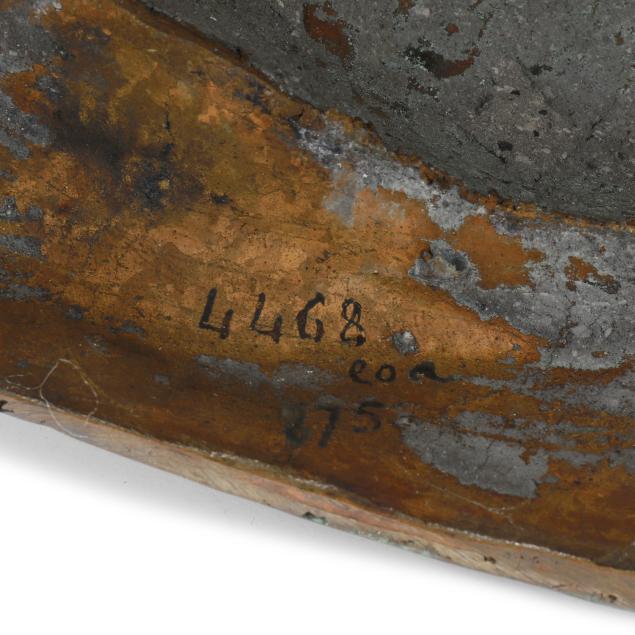

Lot 8004
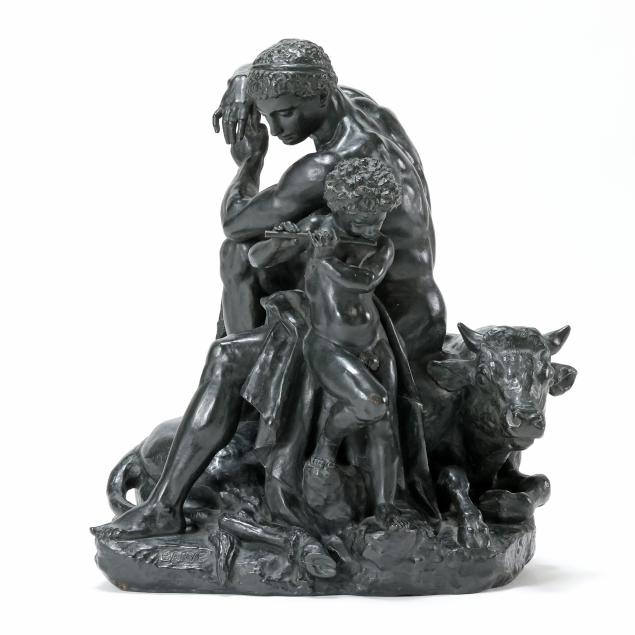
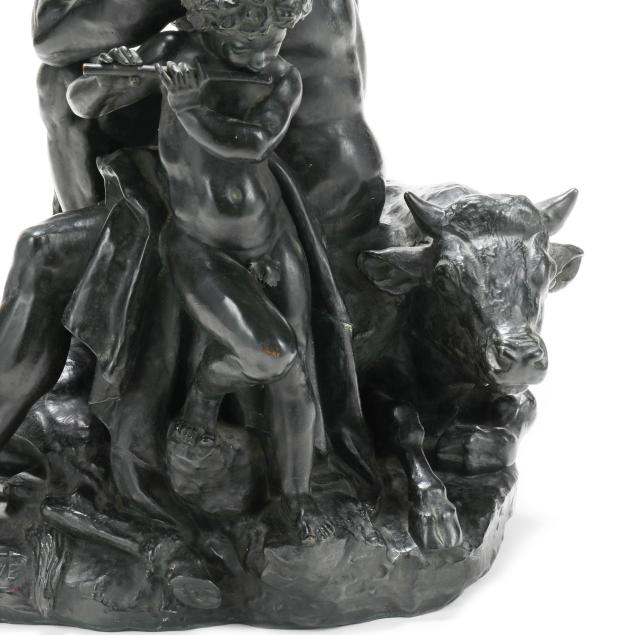
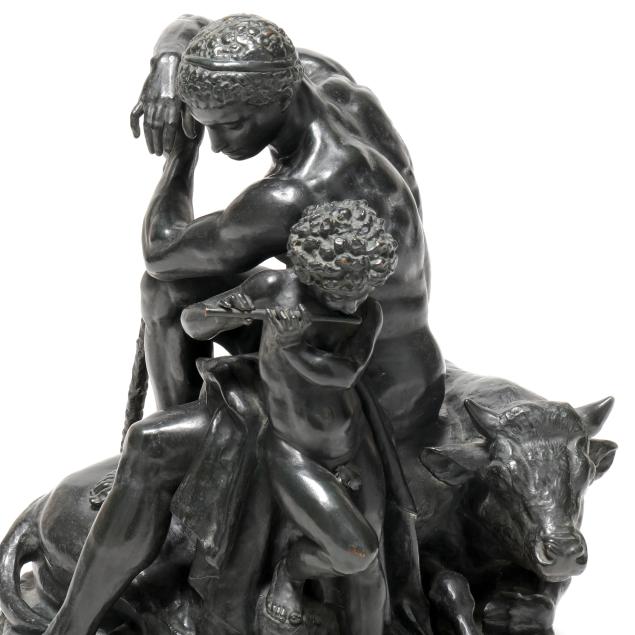
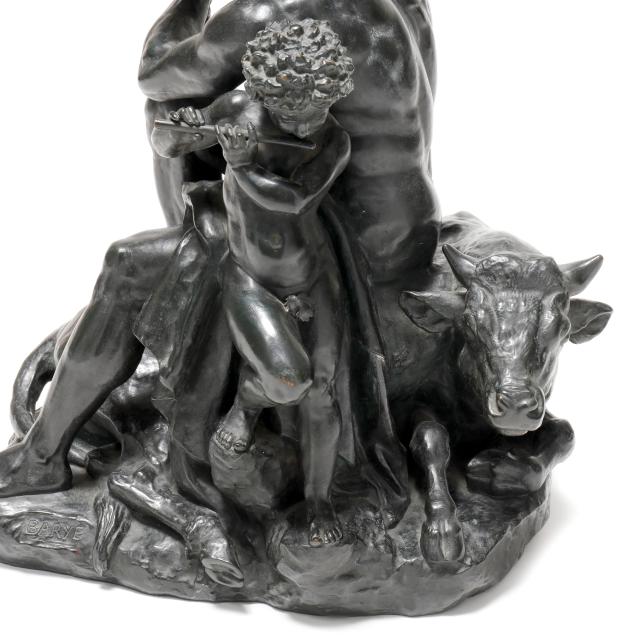
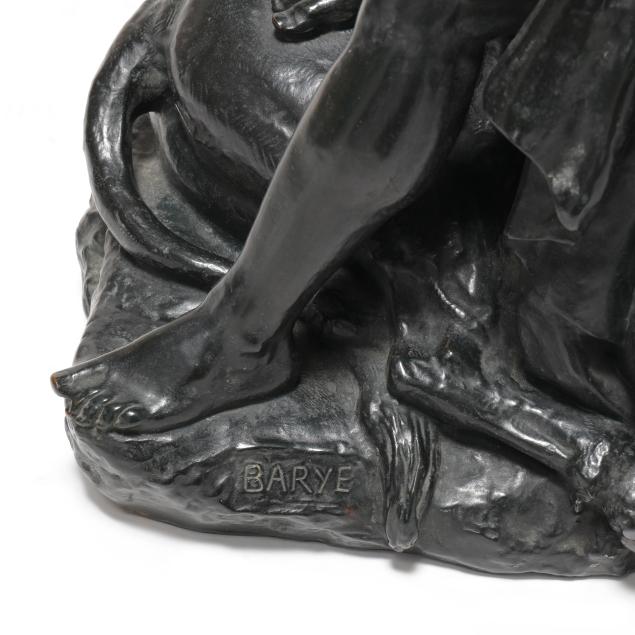
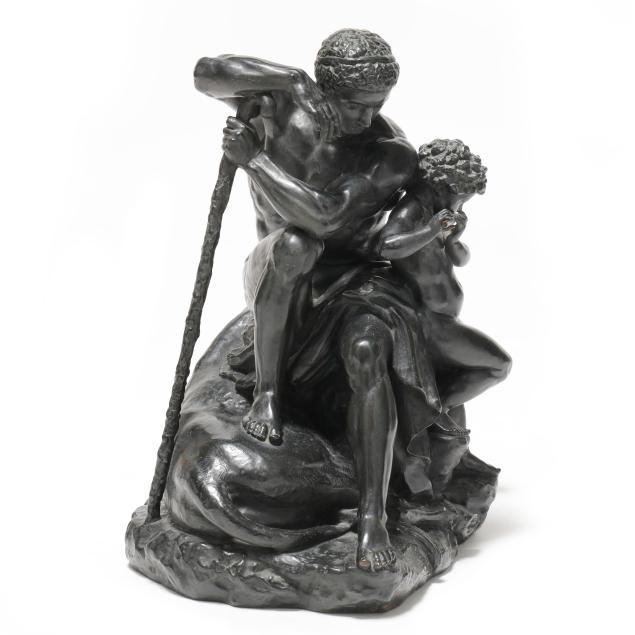
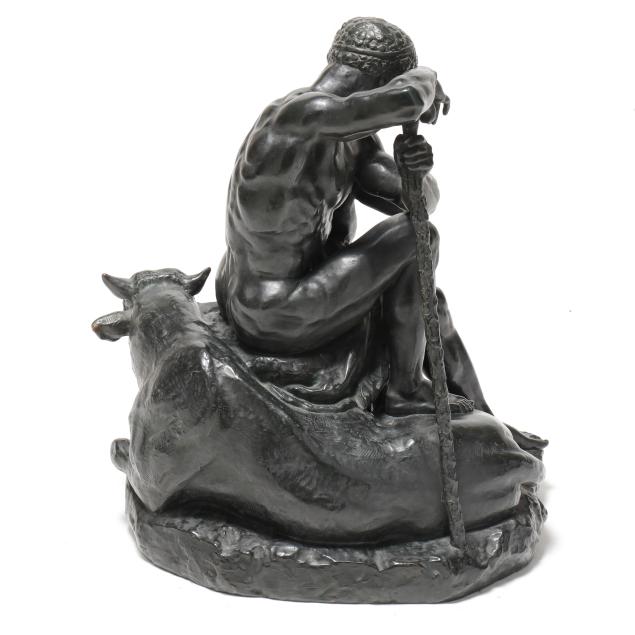
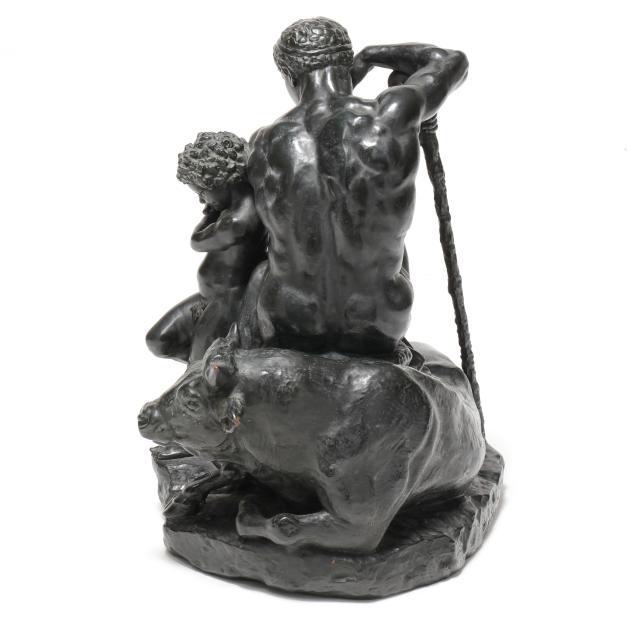
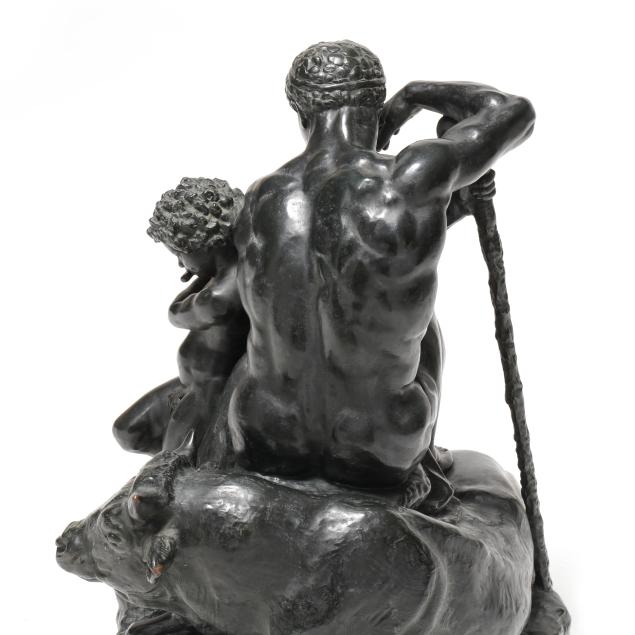
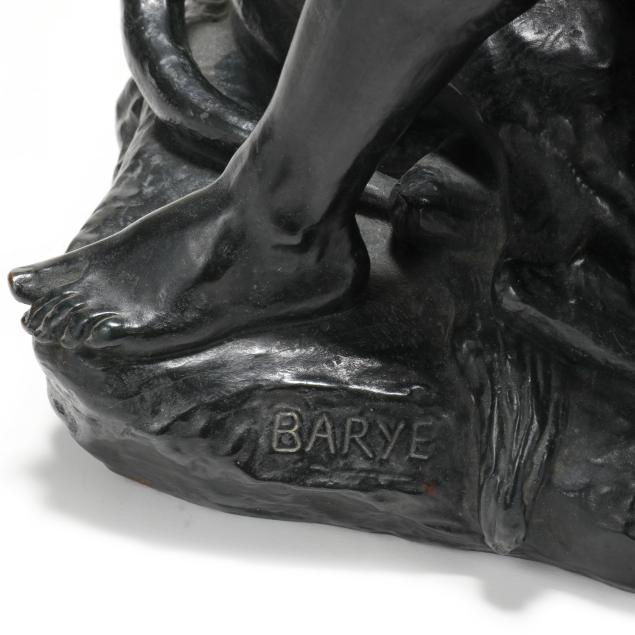
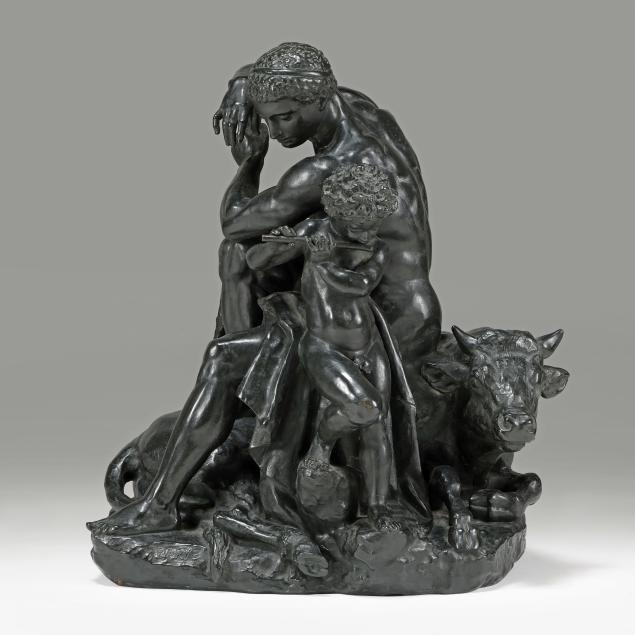
Antoine-Louis Barye (French, 1796-1875), La Paix
Explore more items like this one.
Visit our Fine Art Department Fine Art
Lot Details & Additional Photographs
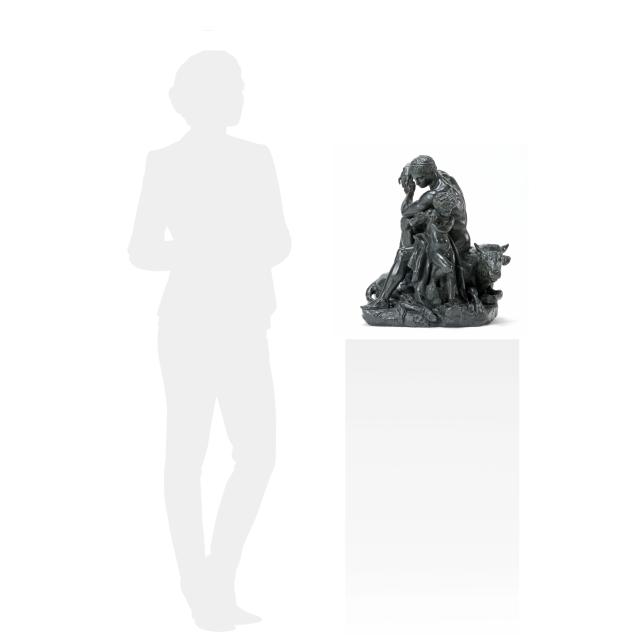
19 3/4 x 18 1/2 x 15 in.
50 lb.
Barye was commissioned in 1854 to create four monumental stone groups for the façade of the Louvre as part of the renovation and expansion campaign of the Palais du Louvre and Palais des Tuileries in Paris during the Second Empire (1852-1870). La Force protégeant le Travail and L’Ordre punissant les pervers were commissioned for the pavillon Denon and La Guerre and La Paix for the Pavillon Richelieu. All four groups remain in situ today and are regarded as some of Barye’s most important works. After their installation in 1857, these four figural groups were edited in three sizes exclusively by the Barbedienne foundry from 1876, using the original molds purchased by Barbedienne from Barye’s estate after his death in 1875.
Antoine-Louis Barye is known primarily for his realistic sculptures of animals subjects, though he did complete equestrian groups and mythological compositions, in addition to the commissioned work, La Paix. Acclaimed by many as one of the finest of Les Animaliers, Barye was a frequent visitor of Paris' Jardin des Plantes where he could study his subjects. His work can be found in several prominent museum collections. Author Glen Benge recognizes that Barye's work "embodies the yearning and turmoil, the triumphs and anguish" of the Romantic Age.
Literature:
Benge, Glenn F. Antoine-Louis Barye: Sculptor of Romantic Realism, pages 51-52, 55-56, 170. Plaster sketches and bronze proof for the Richelieu Pavilion facade are Illustrated in figures 40 and 41.
M. Poletti and A. Richarme, BARYE, Catalogue raisonné des sculptures, Paris, 2000, p. 112, no. F35, page 417.
Pivar, Stuart. The Barye Bronzes: A Catalogue Raisonné, illustrated on page 87 (no. F47).
Literature: Kjellberg, Pierre. Bronzes of the 19th Century, Dictionary of Sculptors (Atglen: Schiffer Publishing, Ltd. 1994). Pages 55-85; and the same size edition illustrated on pg 62.
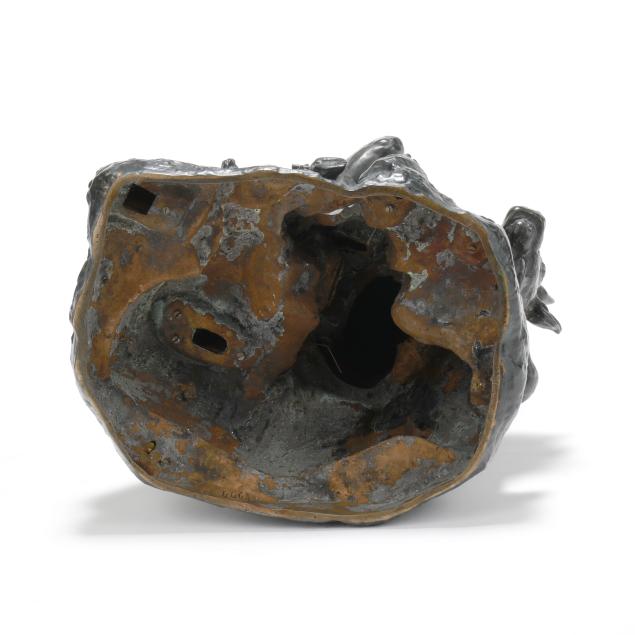
Good estate condition.