
Lot 3012
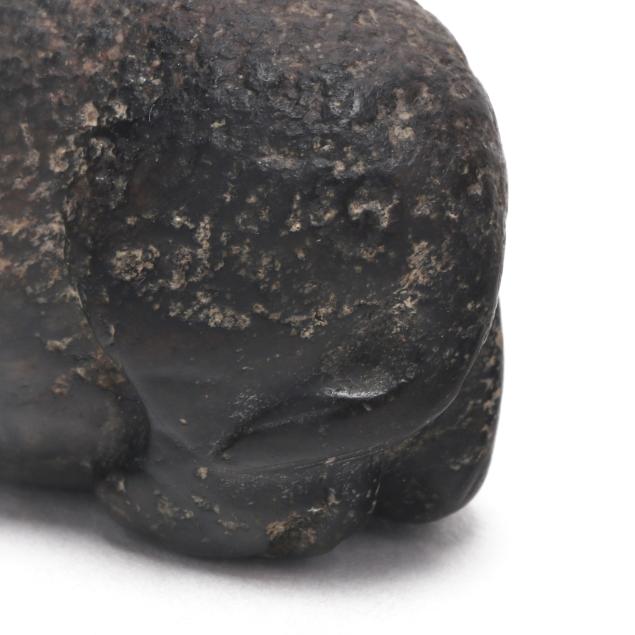
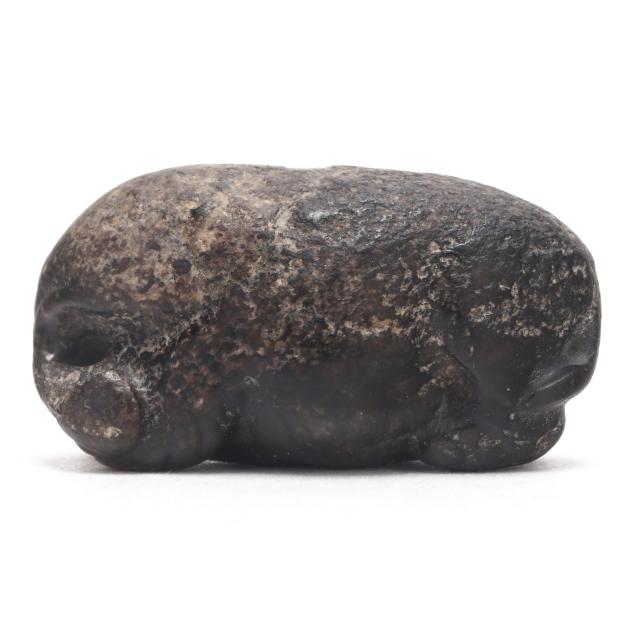
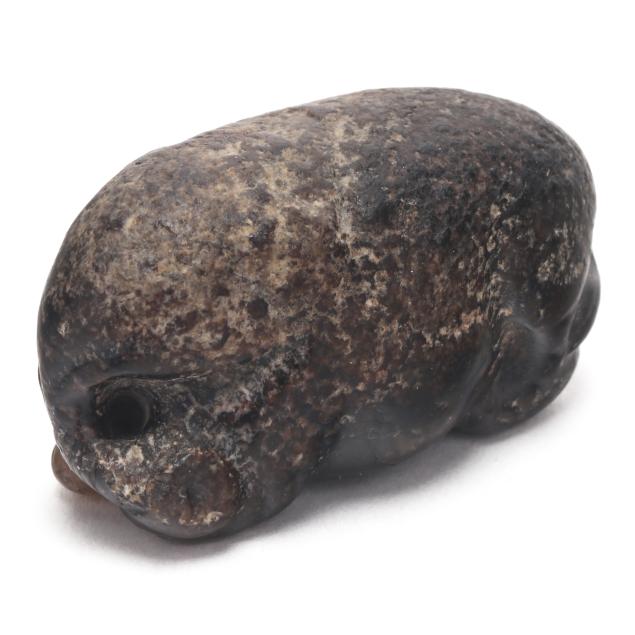
A Rare Early Chinese Black Jade Carving of an Elephant
Explore more items like this one.
Visit our Asian Arts Department Asian Arts
Lot Details & Additional Photographs
1 x 1 5/8 x 7/8 in.
From the Collection of Adrienne and John C. Maxwell, Jr. John C. Maxwell Jr. assembled one of the most distinguished private collections of Asian art in the American South, with a particular focus on Chinese, Korean, and Japanese works spanning antiquity through the late imperial period. A financier and respected market analyst by profession, Maxwell developed his interest in Asian art during his military service in Korea in the early 1950s. What began as personal study evolved into a lifelong commitment to collecting, scholarship, and connoisseurship.
The collection formed by Maxwell and his wife Adrienne reflects Maxwell’s highly analytical eye and preference for works possessing strong historical character, refined craftsmanship, and clear cultural significance. Numerous objects from the collection together with their private library of 1,200 scholarly Asian art journals and books were gifted to the Virginia Museum of Fine Arts, where they became part of the museum’s Maxwell East Asian Collection.
Good estate condition; surface wear from age and burial; natural crevice to underside.