
Lot 3123
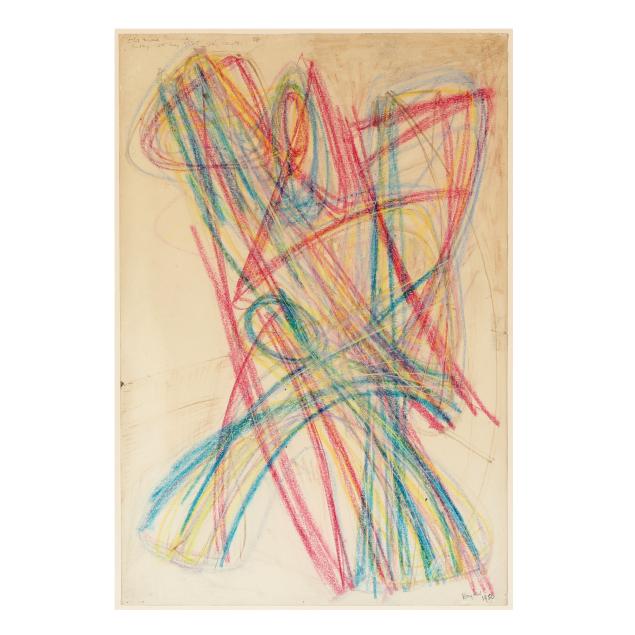
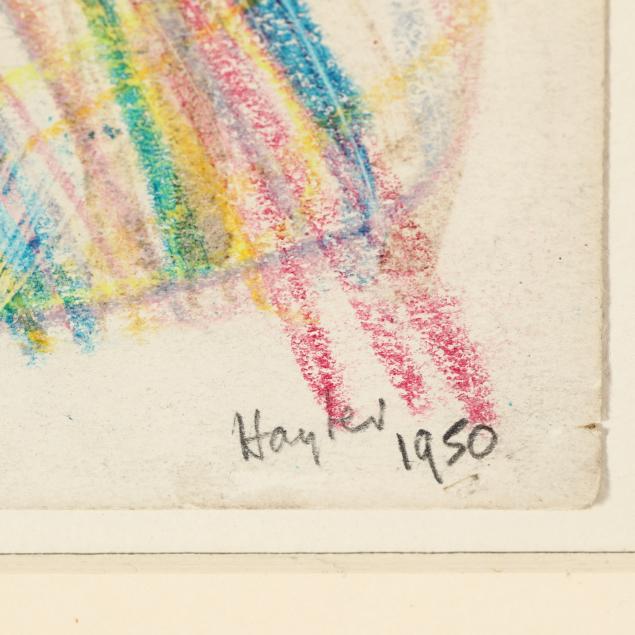
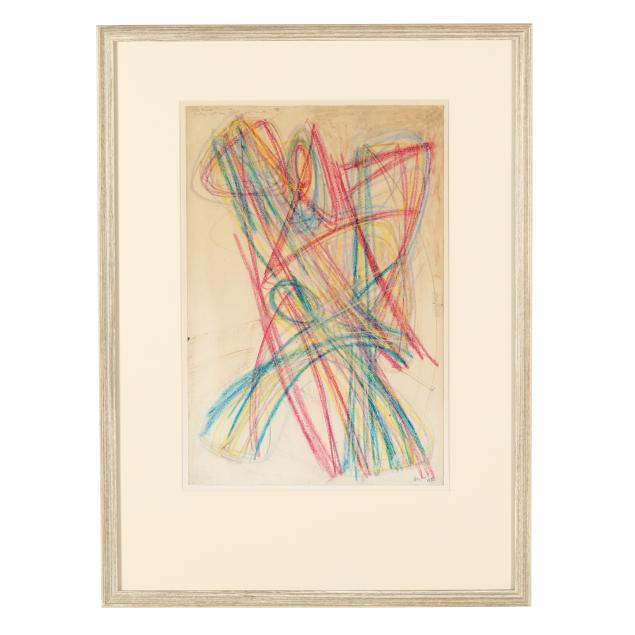
Stanley William Hayter (British, 1901-1988), Untitled (Abstract Line Drawing in Color)
Explore more items like this one.
Visit our Fine Art Department Fine Art
Lot Details & Additional Photographs
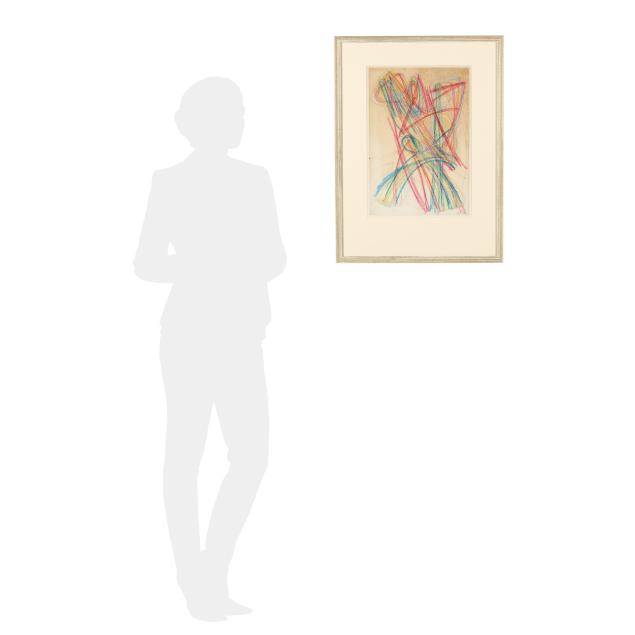
Sheet size 17 1/2 x 12 in.; Frame dimensions 27 1/2 x 20 1/2 in.
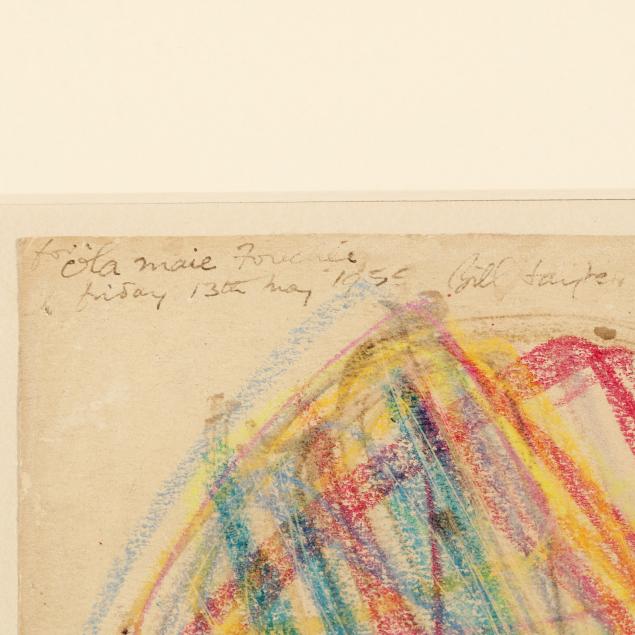
From the Private Collection of the late Ola Maie Foushee, Chapel Hill, North Carolina
Ola Maie Foushee (1905–1999) was a North Carolina artist, writer, and arts advocate born in the mill village of Avalon in Rockingham County. Showing artistic talent from an early age, she studied art at the University of North Carolina at Chapel Hill and Greensboro and later taught privately while exhibiting her largely abstract paintings throughout the Southeast. She was a charter member of the Associated Artists of North Carolina and active in several regional arts organizations, while also becoming known for her lectures and her long-running newspaper column, “Art in North Carolina,” published during the 1950s and 1960s.
In addition to her work as a painter, Foushee was an influential author and historian of North Carolina art. Her book Art in North Carolina: Episodes and Developments (1970) was long considered a foundational text on the subject. She also published works on regional history and biography, including studies of Avalon and North Carolina arts patron Katherine Pendleton Arrington. Foushee spent much of her adult life in Chapel Hill and Durham, where she remained active in the arts community until her death in 1999.
Stanley William Hayter is an English born painter and printmaker. His early work tends toward the surreal, but by the 1940s he was embracing abstract expressionism.
In 1927, Hayter founded the Atelier 17 studio in Paris, which championed the artistic possibilities of printmaking. Among the artists often found in the studio space were Pablo Picasso, Marc Chagall, Alberto Giacometti, Joan Miró, Jackson Pollock, Mark Rothko and Wassily Kandisky. While the studio moved to New York in 1940, it returned to Paris in 1950. Following Hayter's death in 1988, it was renamed "Atelier Contrepoint" and remains in operation today.
Hayter's paintings and prints are in such prominent collections as Tate London; The Metropolitan Museum of Art, New York; Museum of Modern Art, New York; the Smithsonian American Art Museum, Washington, D.C.; and North Carolina Museum of Art, Raleigh.
Toning to the sheet, a couple of tears to the edges, not examined outside the frame.