

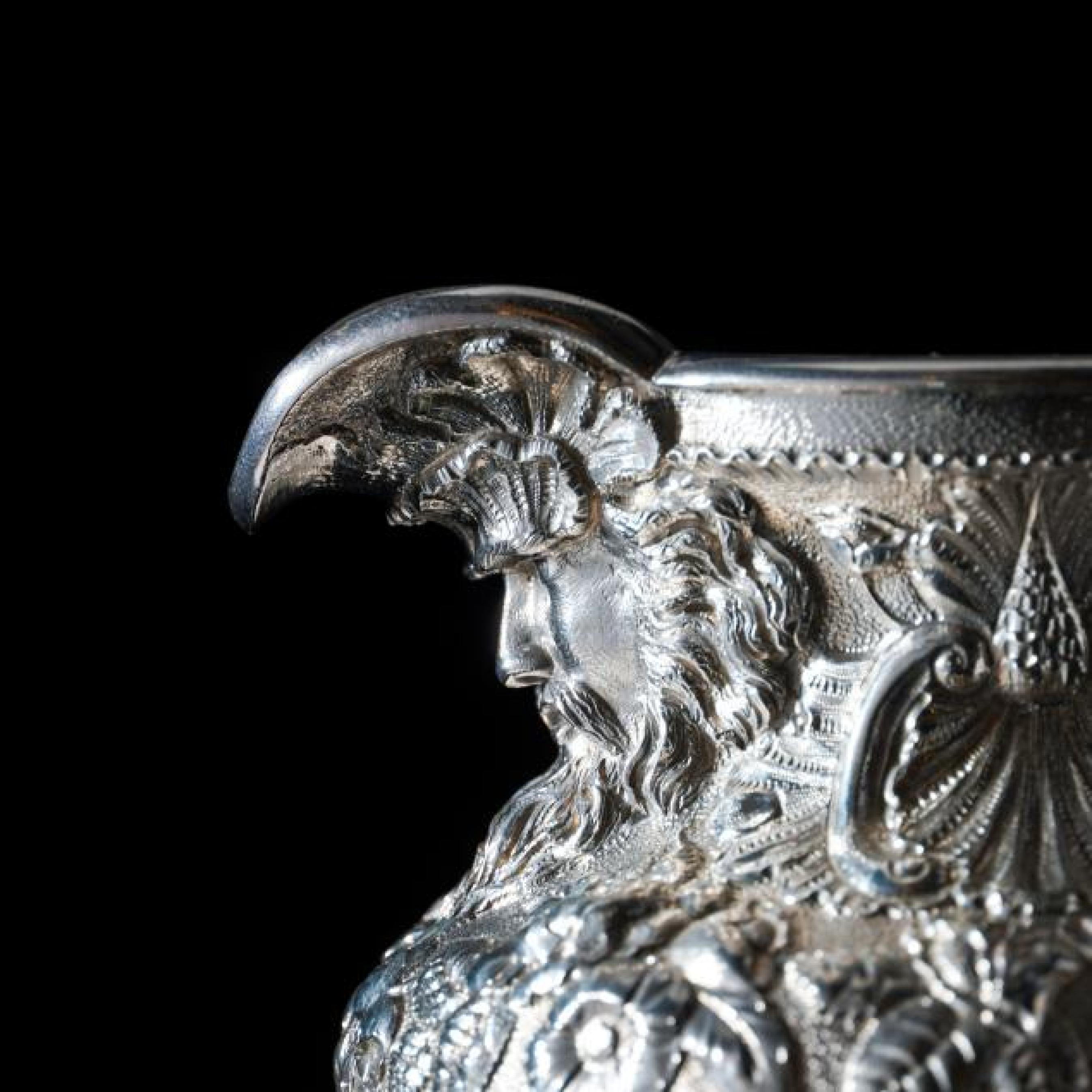
Sterling, Coin, or Silverplate? A Beginner's Guide to Antique Silver
You do not need to be an expert to begin identifying silver with confidence.
Whether you have inherited a family tea service, discovered an elegant serving tray at an estate sale, or are beginning to collect antiques, one question often comes first:
Is it sterling silver, coin silver, or silverplate?
To the untrained eye these materials can appear nearly identical. Each may display a luminous surface, intricate decoration, and the familiar patina that develops with age. Beneath the surface, however, they are distinctly different. Learning how to discern their differences is the first step in understanding a piece's history, craftsmanship and value.
Is it sterling silver, coin silver, or silverplate?
To the untrained eye these materials can appear nearly identical. Each may display a luminous surface, intricate decoration, and the familiar patina that develops with age. Beneath the surface, however, they are distinctly different. Learning how to discern their differences is the first step in understanding a piece's history, craftsmanship and value.
Sterling silver is the standard most often associated with fine silver. It consists of 92.5% pure silver, with the remaining 7.5% typically composed of copper or another metal added for strength and durability. Sterling pieces should be marked with purity stamps, most commonly "925," ".925," or "Sterling," as well as a maker's hallmark. This standard of marking has long been used for American and many international silver wares, and these marks are typically found on the underside or back of the object. To investigate further, the magnet test is a quick way to discover more about the nature of the metal before you. Silver is a non-magnetic metal so if a magnet sticks, it confirms that the material is something
other than silver. The presence of purity marks, hallmarks, little to no magnetic attraction, and a uniform dark grey tarnish can help identify sterling silver. Prized for both its precious-metal content and the artistry of its makers, sterling silver continues to hold lasting appeal for collectors.
Coin silver represents an earlier standard in American silver craftsmanship. Typically composed of approximately 90% pure silver, it was widely used during the 18th and 19th centuries before sterling silver became the prevailing standard. The term coin silver comes from the practice of melting silver currency to create flatware, hollowware, and other household objects. Unlike sterling silver, coin silver is less often marked with a purity stamp and is more often identified through the maker's mark. Early American silversmiths typically marked their work with their initials, a combination of their first initial and surname, or a distinctive maker's mark, often impressed within a plain or serrated rectangular cartouche. Furthermore, the words "coin," or "pure coin," stamped on the back of a piece indicate that the object was made with silver of the same purity as the coins of the day. Most coin silver available today dates from the 18th century to the late 19th century, offering designs ranging from the restrained Federal style to the stylized Aesthetic Movement. Silversmith marks, material marks, and design styles offer important clues in identifying American coin silver. Valued for its craftsmanship, historical significance, and relative rarity, coin silver remains highly sought after by collectors today.
Silverplate offers the appearance of fine silver at a more accessible price point. Rather than being made primarily of silver, these pieces consist of a base metal, often copper, brass, bronze, or nickel, and are coated with a thin layer of silver. This plating of silver is often achieved through a chemical process called electrolysis, which bonds silver ions to the base metal. Like sterling silver, silverplate bears identifying marks, such as "EP," "E.P.N.S.," "E.P.B.M.," "Silverplate," or "Plate". With age and use, the silver-plated surface may wear through, exposing the underlying base metal, which typically exhibits a coppery-pink tone and irregular tarnish. While silverplate does not have the intrinsic value of sterling or coin silver, well-made examples by respected manufacturers can still be prized for their innovative craftsmanship and aesthetic appeal.
From everyday tableware to exceptional works of art, fine silver has long been valued for its beauty and utility. Knowing what to look for can help you better understand the material, history, craftsmanship, and value of the pieces you discover throughout your collecting journey.